Resources
Search our resources
Or filter resources by
Country/region
- Afghanistan 2
- Africa 33
- Americas 3
- Asia 11
- Bangladesh 3
- Belarus 1
- Burkina Faso 3
- Caribbean 6
- Chad 1
- Colombia 3
- Cote D'Ivoire 1
- DRC 1
- Dominica 2
- Ethiopia 3
- Europe 10
- Fiji 6
- Global 60
- Guinea 1
- Haiti 4
- Horn of Africa 8
- Indonesia 1
- Iraq 1
- Kenya 10
- Lebanon 1
- Libya 1
- Malawi 1
- Middle East 9
- Morocco 2
- Mozambique 4
- Myanmar 4
- Nepal 3
- Niger 2
- Pacific 19
- Pakistan 4
- Palestine 3
- Papua New Guinea 10
- Philippines 6
- Somalia 3
- South Sudan 2
- Southeast Asia 7
- Sudan 9
- Syria 3
- Turkiye 3
- Ukraine 6
- Vanuatu 5
- Yemen 1
- Zimbabwe 1
Topic
- #safeai 7
- #safeaihumanitarianengagement 1
- #safeaiparticipation 3
- AI 13
- CDAC Public Forum 13
- COVID-19 12
- DEPP 7
- Digital security 2
- Lebanon 1
- Local Lifelines 3
- Myanmar 2
- National Platforms 9
- PSEA 2
- SMS 2
- Sudan 4
- accountability 47
- capacity bridging 15
- cholera 1
- climate 11
- co-design 3
- communication 109
- community engagement 78
- conflict 21
- coordination 52
- cyclone 3
- development 1
- digital 35
- digital hygine 1
- disability 2
- disaster 40
- displacement 14
- drought 3
- earthquake 13
- feedback 6
- financing 5
- floods 3
- harmful information 3
- health 14
- hotline 1
- hurricane 2
- inclusion 11
- information 71
- information integrity 11
- journalism 31
- localisation 27
- media 50
- media development 4
- misinformation 9
- needs assessment 7
- online safety 1

Information as aid 2.0: lessons from Lebanon, Sudan and Myanmar
CDAC Network’s work in Lebanon, Sudan and Myanmar in 2025 shows a consistent pattern: when trusted information breaks down, humanitarian outcomes deteriorate. This policy brief identifies four major trends in the information environment in crises and makes recommendations for humanitarian systems to support information integrity in the same way they ensure access to food, water and shelter.

Flooding the zone: how inauthentic networks weaponise information in Sudan – and what humanitarians can do
In 2025, CDAC launched a new initiative in collaboration with Valent to use AI to identify inauthentic networks and monitor manipulation of online narratives in Sudan’s war. This report examines the project’s co-design ambitions, reviews the integration of AI into humanitarian response, measures the project’s operational impact on Sudanese and international partners, and draws together key lessons from the pilot.

Tipsheet: Detecting and responding to inauthentic network behaviour
Inauthentic networks use coordinated fake social media accounts, bots and mass engagement tactics to manipulate and amplify narratives at scale. This tipsheet explains how humanitarians can identify coordinated inauthentic network behaviour, assess the risks and respond.
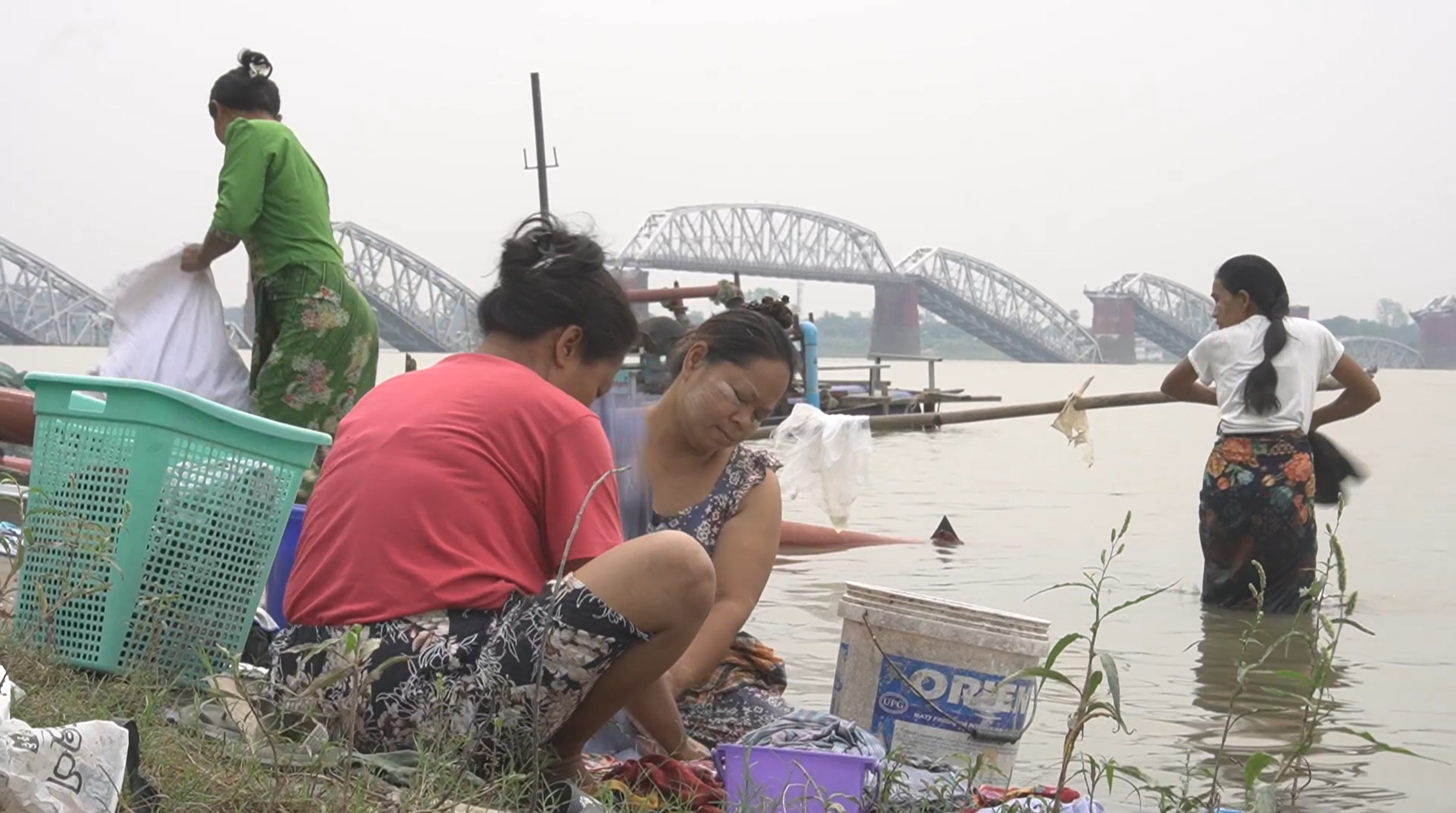
Snapshot: Information environment in Myanmar post-earthquake (November 2025)
This CDAC Network snapshot is a November update on the current state of the information environment in Myanmar, post April 2025 earthquake. It reveals how information gaps left by years of conflict, an opaque aid system and suppressed local media, is creating fertile ground for harmful information spreading fear and violence. An under-resourced local media struggles to bridge these gaps amid dwindling financial support.
2025 Public Forum framing paper: Information in Crisis
This Framing Paper outlines the critical conversations informing the CDAC’s Public Forum on 10 December 2025 in Bonn, in partnership with DW Akademie and Fondation Hirondelle. The paper lays out the current state of information and why it is at a crisis point, and makes a bold Call to Action on what we can do about it.

Sudan’s information war: How weaponised online narratives shape the humanitarian crisis and response
Sudan’s information war: How weaponised online narratives shape the humanitarian crisis and response examines how misinformation and disinformation have become weapons of war in Sudan's humanitarian crisis, directly obstructing aid delivery and fueling violence. While humanitarian organisations recognise these threats, their responses remain fragmented and reactive.

Snapshot: Information environment in Myanmar post-earthquake (August 2025)
This CDAC Network snapshot outlines the current state of the information environment in Myanmar, post April 2025 earthquake. It reveals how information gaps left by years of conflict, an opaque aid system and suppressed local media, is creating fertile ground for harmful information spreading fear and violence. An under-resourced local media struggles to bridge these gaps amid dwindling financial support.

Racing against rumours: understanding harmful information on humanitarian needs and response in Lebanon
In Lebanon's humanitarian system, rumours spread faster than official information, driving communities to act on unverified messages about aid cuts, registration changes, and returns. This CDAC Network report examines how harmful information circulates through informal networks—WhatsApp groups, religious leaders, former NGO staff—that fill gaps left by inaccessible official channels.

How to spot harmful information in crises
In times of emergency, finding reliable information online can be challenging. This tipsheet offers practical advice to help you identify trustworthy information and avoid misinformation.
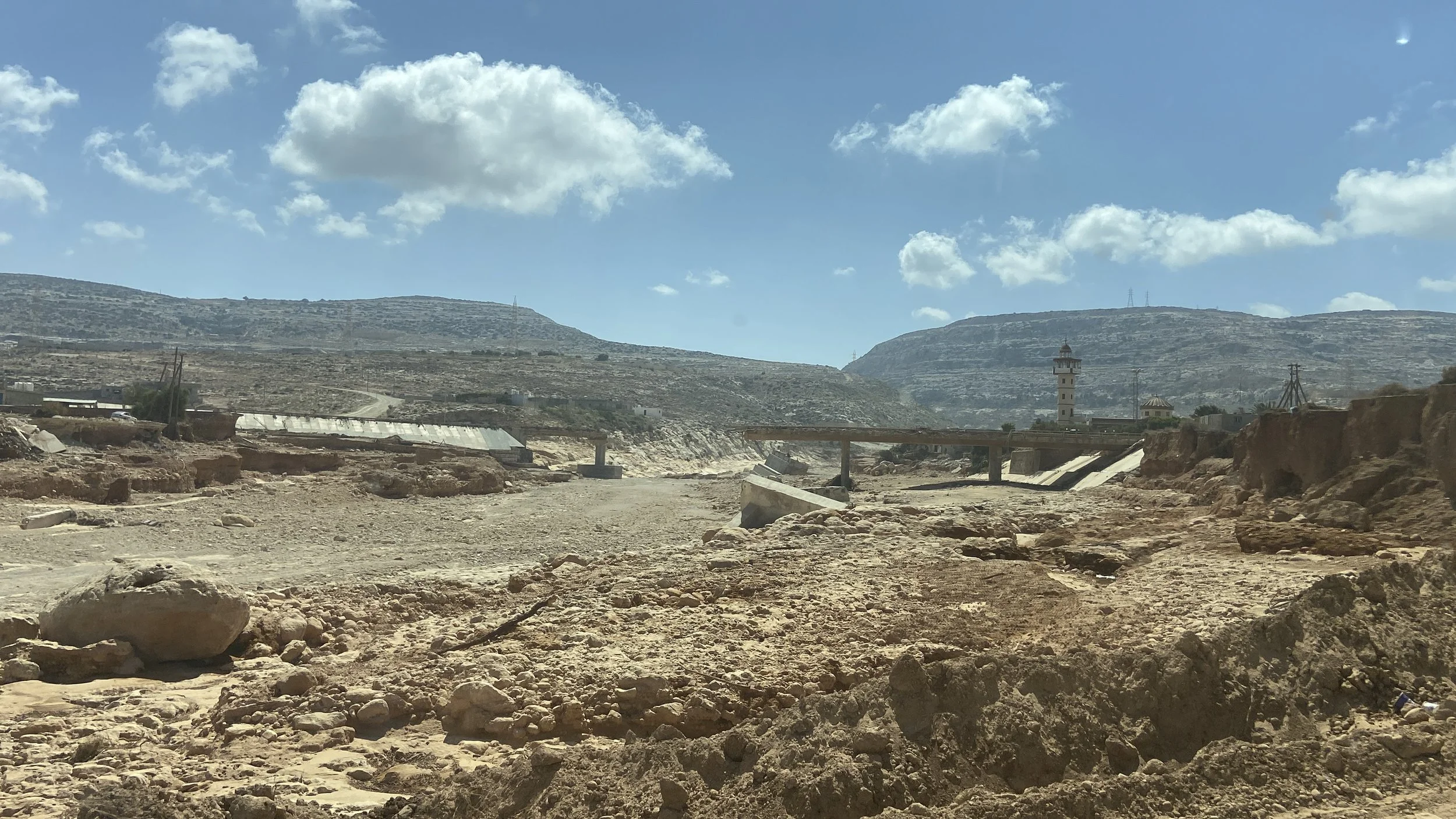
Communication and community engagement in the Libya flood response
As aid actors transition to an early recovery response in Libya, prioritising clear communication with communities will be crucial. Two bulletins provide a round-up of social media listening, media analytics and resources for practitioners; and recommendations for strengthening communication and community engagement in the response.

Rumour has it: a practice guide to working with rumours
This guide offers approaches, practices and tools to working with rumours and misinformation. It is aimed primarily at humanitarian programme managers and field staff to provide them with practical tips on how to work with rumours in their response programmes in a way that is achievable amid competing demands.