Resources
Search our resources
Or filter resources by
Country/region
- Afghanistan 2
- Africa 33
- Americas 3
- Asia 11
- Bangladesh 3
- Belarus 1
- Burkina Faso 3
- Caribbean 6
- Chad 1
- Colombia 3
- Cote D'Ivoire 1
- DRC 1
- Dominica 2
- Ethiopia 3
- Europe 10
- Fiji 6
- Global 60
- Guinea 1
- Haiti 4
- Horn of Africa 8
- Indonesia 1
- Iraq 1
- Kenya 10
- Lebanon 1
- Libya 1
- Malawi 1
- Middle East 9
- Morocco 2
- Mozambique 4
- Myanmar 4
- Nepal 3
- Niger 2
- Pacific 19
- Pakistan 4
- Palestine 3
- Papua New Guinea 10
- Philippines 6
- Somalia 3
- South Sudan 2
- Southeast Asia 7
- Sudan 9
- Syria 3
- Turkiye 3
- Ukraine 6
- Vanuatu 5
- Yemen 1
- Zimbabwe 1
Topic
- #safeai 7
- #safeaihumanitarianengagement 1
- #safeaiparticipation 3
- AI 13
- CDAC Public Forum 13
- COVID-19 12
- DEPP 7
- Digital security 2
- Lebanon 1
- Local Lifelines 3
- Myanmar 2
- National Platforms 9
- PSEA 2
- SMS 2
- Sudan 4
- accountability 47
- capacity bridging 15
- cholera 1
- climate 11
- co-design 3
- communication 109
- community engagement 78
- conflict 21
- coordination 52
- cyclone 3
- development 1
- digital 35
- digital hygine 1
- disability 2
- disaster 40
- displacement 14
- drought 3
- earthquake 13
- feedback 6
- financing 5
- floods 3
- harmful information 3
- health 14
- hotline 1
- hurricane 2
- inclusion 11
- information 71
- information integrity 11
- journalism 31
- localisation 27
- media 50
- media development 4
- misinformation 9
- needs assessment 7
- online safety 1

Flooding the zone: how inauthentic networks weaponise information in Sudan – and what humanitarians can do
In 2025, CDAC launched a new initiative in collaboration with Valent to use AI to identify inauthentic networks and monitor manipulation of online narratives in Sudan’s war. This report examines the project’s co-design ambitions, reviews the integration of AI into humanitarian response, measures the project’s operational impact on Sudanese and international partners, and draws together key lessons from the pilot.

Local lifelines: Recommendations for systemic information sharing
The local lifelines project aims to improve the humanitarian information ecosystem by supporting an enabling environment for greater localised humanitarian action in Sudan.

Pathways for strengthening community feedback and complaints approaches in Papua New Guinea
This policy brief outlines the role of common feedback mechanisms in Papua New Guinea and recommends ways to strengthen approaches to two-way communication with communities in disaster response activities in-country.
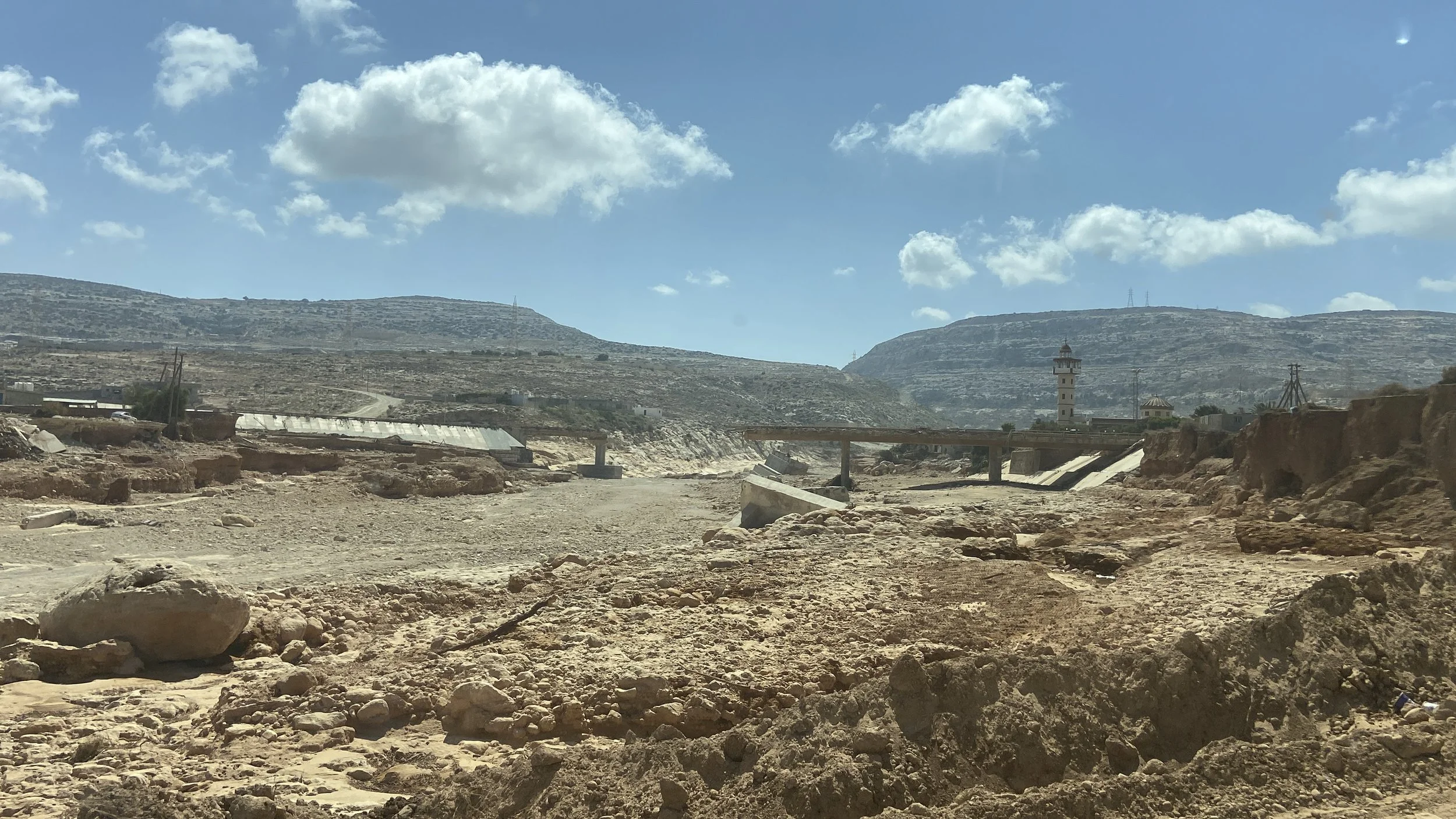
Communication and community engagement in the Libya flood response
As aid actors transition to an early recovery response in Libya, prioritising clear communication with communities will be crucial. Two bulletins provide a round-up of social media listening, media analytics and resources for practitioners; and recommendations for strengthening communication and community engagement in the response.

Communication, community engagement and accountability in Sudan’s regional response
Outcomes of the high-level meeting to discuss elevating collective CCEA in the regional Sudan conflict response, focusing on two priority areas: strengthening collective CCEA and increasing investment in CCEA led by diverse and local response actors.

Morocco earthquake: immediate communication and engagement priorities
Information will play a life-saving role in the critical days after the earthquake in Morocco. This brief recommends areas of focus to prioritise effective communication, community engagement and accountability in the response.

Elevating communication and engagement in Sudan’s growing humanitarian crisis: priority actions for decision-makers and practitioners
In the face of severe funding gaps that are challenging the capacity of humanitarian actors to respond to increasing needs in Sudan, CDAC Network and in-country leadership call for decision-makers and practitioners to mobilise around four priority actions for effective communication, engagement and accountability.
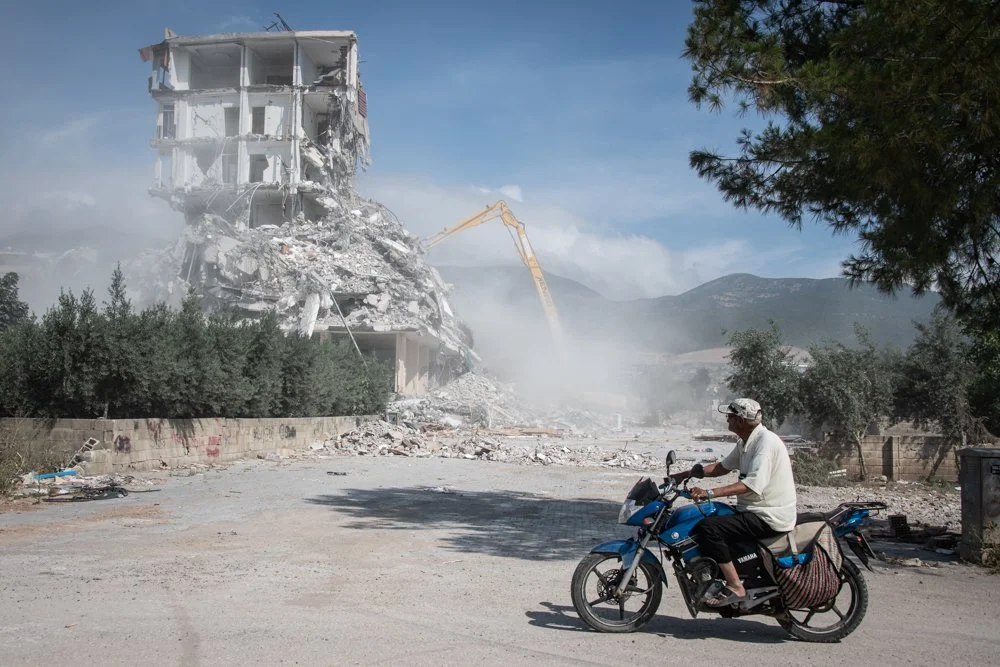
The Türkiye–Syria earthquake response six months on: lessons on communication, community engagement and accountability
This brief presents key lessons and recommendations to ensure robust communication, community engagement and accountability efforts to meet the needs of affected people in Türkiye and Syria, six months on from the earthquakes.

The state of communication, community engagement and accountability across the Ukraine response and an overview of key activities
This report provides a snapshot of the current CCEA activities being provided in Ukraine and border countries. It also outlines recommendations for practitioners and responders to improve the use of CCEA for those affected by the crisis.

The state of communication, community engagement and accountability in the Horn of Africa drought response: a snapshot report for Ethiopia, Kenya and Somalia
Spotlighting key challenges and opportunities for collective approaches to accelerate communication, community engagement and accountability in the Horn of Africa drought response.

‘Working with what we have’: key advocacy messages for inclusive communication and engagement in the Horn of Africa
CDAC Network calls for all humanitarian actors in the Horn of Africa response to ‘work with what we have’ – including existing local structures, initiatives and partnerships – to drive inclusive and quality communication, community engagement and accountability.

Information management for communication, community engagement and accountability to affected people (CCE/AAP)
Practical guidance on how information management associated with communication, engagement and accountability activities can support humanitarian action.
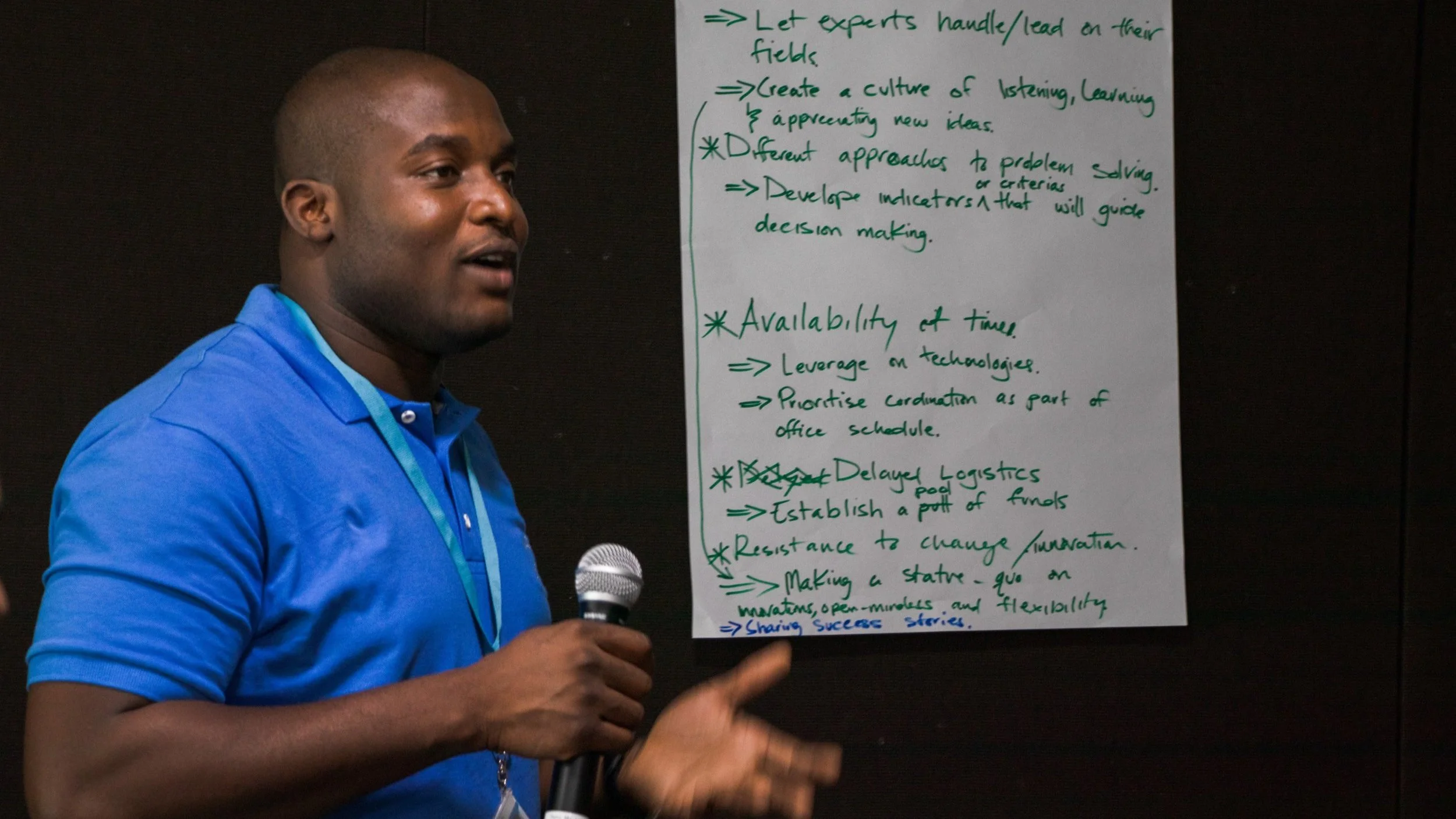
Strengthening communication, community engagement and accountability capacity in Papua New Guinea
Key learning outcomes from a training workshop for managers and programme leads on communication, community engagement and accountability in Papua New Guinea.

Lessons on communication, community engagement and accountability for the Pakistan floods response
This briefing note outlines key lessons on communication, community engagement and accountability from past flood emergencies in Pakistan, along with recommendations for the 2022 response.

Pre-positioning locally led communication and community engagement networks: learning from Fiji and Vanuatu
This paper captures key learnings from a project to establish communication and community engagement platforms for disaster preparedness and response in Fiji and Vanuatu, as well as insights for scaling this type of CCE work and making it sustainable.

Capacity decision framework for CCE/AAP (communication and community engagement/accountability to affected people)
This framework helps decision-makers to identify and source required surge support to ensure appropriate capacity at country level to deliver CCE/AAP across humanitarian response.

Common advocacy statements: CDAC Network 2022
Common advocacy statements in support of CDAC Network’s vision: that communities will have the information and resources they need to determine their own solutions and be central stakeholders in humanitarian and development decision-making.

CDAC Message Library user guidance
Our Message Library offers clear, concise and simple messages on a range of topics as templates for you to adapt and use in the context you are working in. This document provides guidance on contextualising and using the messages.
CDAC Message Library
CDAC Network’s Message Library is a reference to help quickly disseminate critical information to people affected by disasters. It offers clear, concise and simple messages on a range of topics as templates for you to adapt and use in your context.

Haiti six months on: good intentions, bad memories, and local frustrations
Were communication, community engagement and accountability considered in the 2021 Haiti earthquake response?