Resources
Search our resources
Or filter resources by
Country/region
- Afghanistan 2
- Africa 33
- Americas 3
- Asia 11
- Bangladesh 3
- Belarus 1
- Burkina Faso 3
- Caribbean 6
- Chad 1
- Colombia 3
- Cote D'Ivoire 1
- DRC 1
- Dominica 2
- Ethiopia 3
- Europe 10
- Fiji 6
- Global 60
- Guinea 1
- Haiti 4
- Horn of Africa 8
- Indonesia 1
- Iraq 1
- Kenya 10
- Lebanon 1
- Libya 1
- Malawi 1
- Middle East 9
- Morocco 2
- Mozambique 4
- Myanmar 4
- Nepal 3
- Niger 2
- Pacific 19
- Pakistan 4
- Palestine 3
- Papua New Guinea 10
- Philippines 6
- Somalia 3
- South Sudan 2
- Southeast Asia 7
- Sudan 9
- Syria 3
- Turkiye 3
- Ukraine 6
- Vanuatu 5
- Yemen 1
- Zimbabwe 1
Topic
- #safeai 7
- #safeaihumanitarianengagement 1
- #safeaiparticipation 3
- AI 13
- CDAC Public Forum 13
- COVID-19 12
- DEPP 7
- Digital security 2
- Lebanon 1
- Local Lifelines 3
- Myanmar 2
- National Platforms 9
- PSEA 2
- SMS 2
- Sudan 4
- accountability 47
- capacity bridging 15
- cholera 1
- climate 11
- co-design 3
- communication 109
- community engagement 78
- conflict 21
- coordination 52
- cyclone 3
- development 1
- digital 35
- digital hygine 1
- disability 2
- disaster 40
- displacement 14
- drought 3
- earthquake 13
- feedback 6
- financing 5
- floods 3
- harmful information 3
- health 14
- hotline 1
- hurricane 2
- inclusion 11
- information 71
- information integrity 11
- journalism 31
- localisation 27
- media 50
- media development 4
- misinformation 9
- needs assessment 7
- online safety 1

Information as aid 2.0: lessons from Lebanon, Sudan and Myanmar
CDAC Network’s work in Lebanon, Sudan and Myanmar in 2025 shows a consistent pattern: when trusted information breaks down, humanitarian outcomes deteriorate. This policy brief identifies four major trends in the information environment in crises and makes recommendations for humanitarian systems to support information integrity in the same way they ensure access to food, water and shelter.
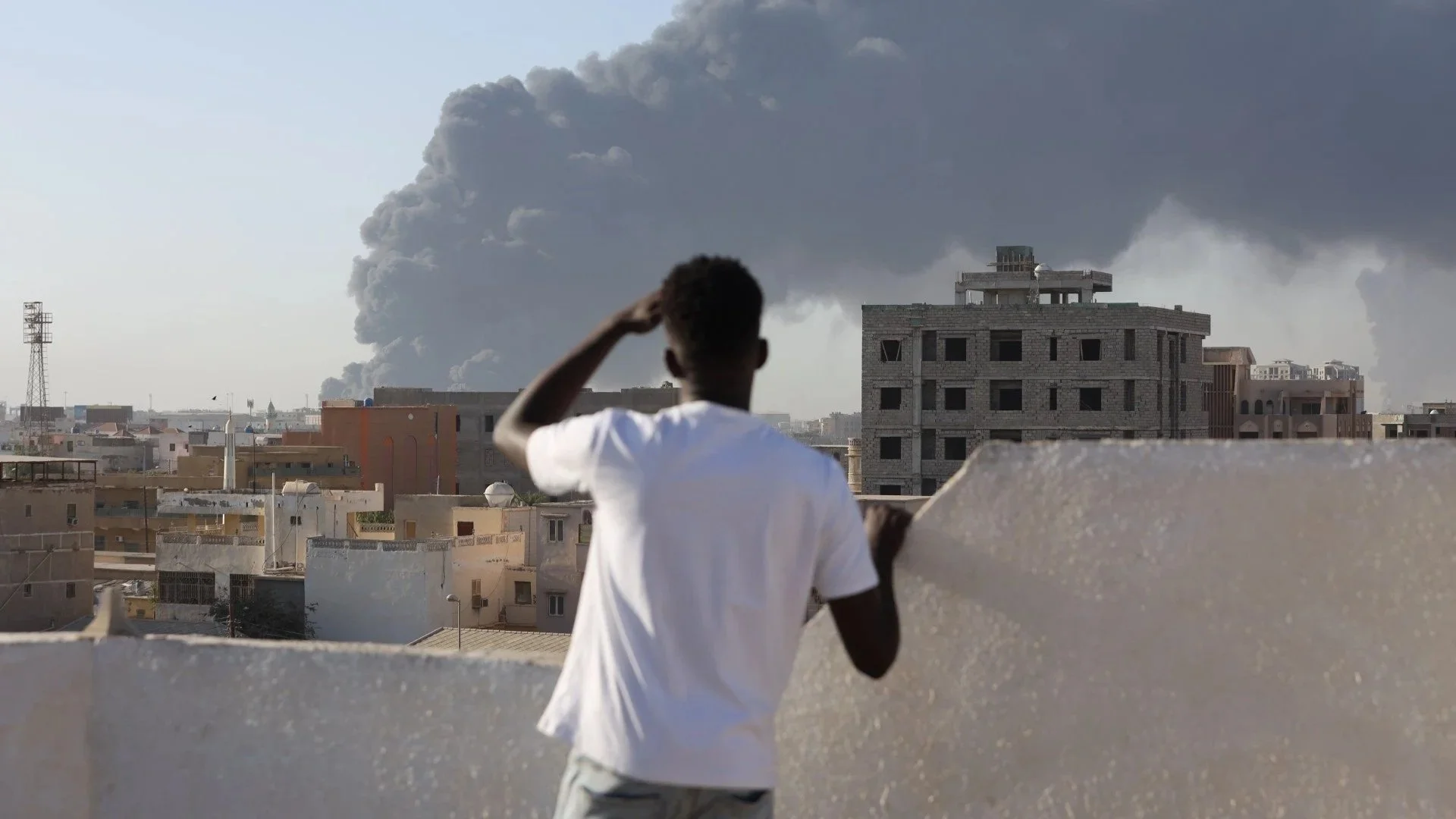
Flooding the zone: how inauthentic networks weaponise information in Sudan – and what humanitarians can do
In 2025, CDAC launched a new initiative in collaboration with Valent to use AI to identify inauthentic networks and monitor manipulation of online narratives in Sudan’s war. This report examines the project’s co-design ambitions, reviews the integration of AI into humanitarian response, measures the project’s operational impact on Sudanese and international partners, and draws together key lessons from the pilot.

Tipsheet: Detecting and responding to inauthentic network behaviour
Inauthentic networks use coordinated fake social media accounts, bots and mass engagement tactics to manipulate and amplify narratives at scale. This tipsheet explains how humanitarians can identify coordinated inauthentic network behaviour, assess the risks and respond.

Sudan’s information war: How weaponised online narratives shape the humanitarian crisis and response
Sudan’s information war: How weaponised online narratives shape the humanitarian crisis and response examines how misinformation and disinformation have become weapons of war in Sudan's humanitarian crisis, directly obstructing aid delivery and fueling violence. While humanitarian organisations recognise these threats, their responses remain fragmented and reactive.

Evolving dynamics of the Sudan conflict: Implications for humanitarian action and civil society
This report examines Sudan's evolving conflict dynamics and their impact on humanitarian action and civil society operations after three years of war. It presents broad recommendations and possible responses based on ongoing transformations, including the proposal of new initiatives and directions to safeguard and support civil society and humanitarian work.

Local lifelines: Recommendations for systemic information sharing
The local lifelines project aims to improve the humanitarian information ecosystem by supporting an enabling environment for greater localised humanitarian action in Sudan.

Communication, community engagement and accountability in Sudan’s regional response
Outcomes of the high-level meeting to discuss elevating collective CCEA in the regional Sudan conflict response, focusing on two priority areas: strengthening collective CCEA and increasing investment in CCEA led by diverse and local response actors.

Elevating communication and engagement in Sudan’s growing humanitarian crisis: priority actions for decision-makers and practitioners
In the face of severe funding gaps that are challenging the capacity of humanitarian actors to respond to increasing needs in Sudan, CDAC Network and in-country leadership call for decision-makers and practitioners to mobilise around four priority actions for effective communication, engagement and accountability.
Assessment of communication, community engagement and accountability in Sudan
CDAC Network (with funding support from UNICEF) conducted an assessment between April and July 2021 on the status of response-wide communication, community engagement and accountability (CCEA) work with affected populations in Sudan. This report is based on consultations with 29 humanitarian and non-humanitarian actors in-country within Sudan