Snapshot: Information environment in Myanmar post-earthquake (November 2025)
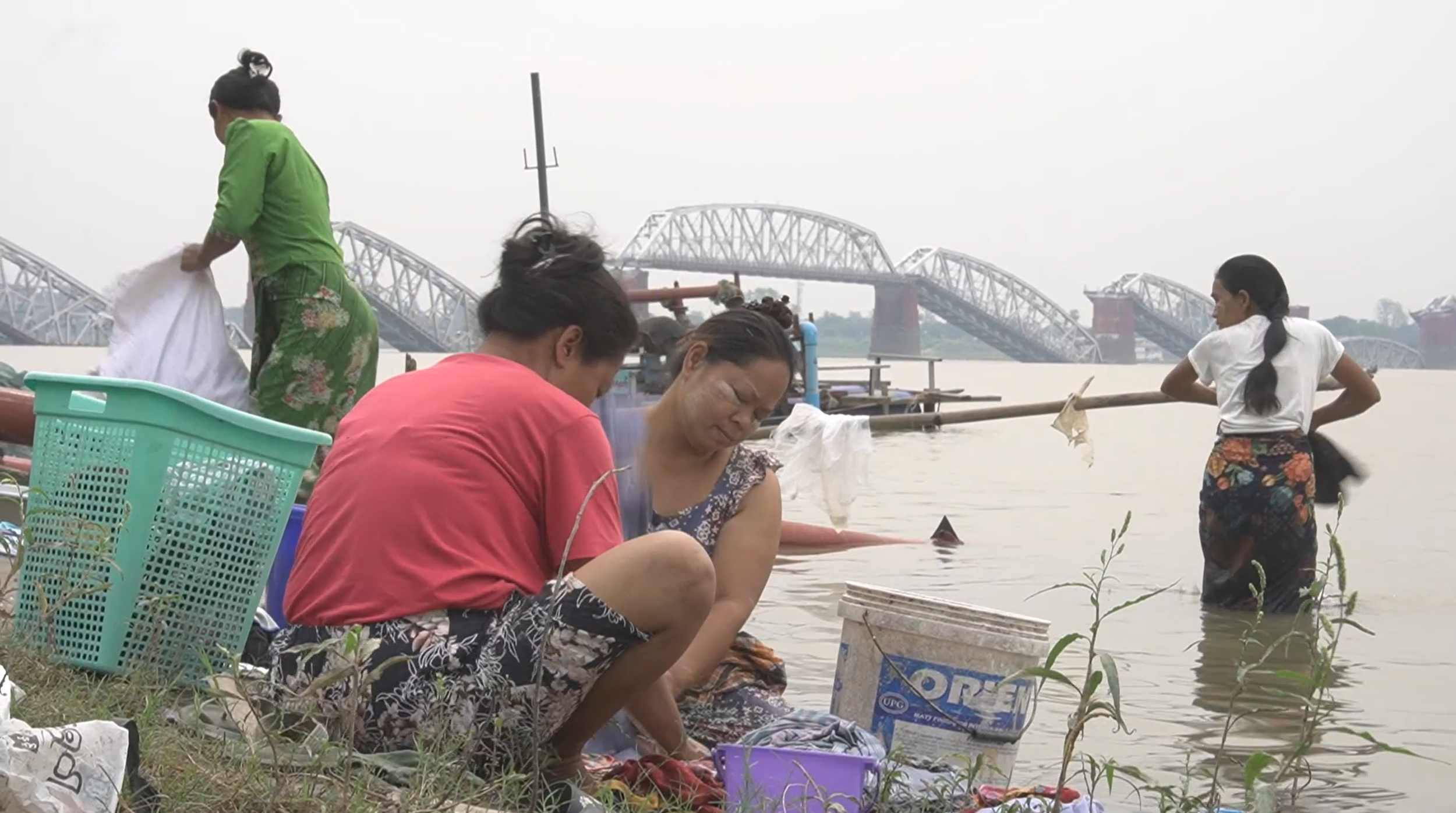
The condition of Sagaing City a week after the 7.7 magnitude earthquake in Myanmar. Credit: Flickr/InOldNews | Theingi Win
The 7.7 magnitude earthquake in March 2025 impacted communities in Myanmar, already deeply affected by prolonged conflict, displacement, and digital repression. Limited connectivity and access restrictions have constrained information flows. Travelling to affected communities remains difficult due to ongoing fighting and checkpoints.
In this complex environment, local actors, local media, civil society organisations (CSOs), volunteers, youth networks, and village committees have become the primary sources of both humanitarian support and community information. However, they face major challenges in verifying sensitive information, countering harmful narratives, and communicating across contested or high-risk areas.
Key takeaways
Communities in Sagaing, Mandalay and other areas affected by the earthquake rely heavily on informal, interpersonal communication networks due to disrupted connectivity and security concerns.
There is limited verified information on earthquake impacts, humanitarian assistance and needs, contributing to harmful rumours and confusion.
Local media and community responders remain the most trusted messengers, but face verification challenges, security risks and internet shutdown.
Aid gaps and unclear distribution processes are driving mistrust, frustration and growing reliance on local actors rather than formal humanitarian systems.
Safe communication channels between humanitarian and media actors remain minimal; small, trust-based coordination spaces show the greatest potential.
Women, persons with disabilities, and remote communities continue to face disproportionate barriers in accessing both aid and information.
Recommendations from the report
For humanitarian actors
Share verified updates in simple, accessible language through trusted local networks.
Use small, low-visibility communication channels rather than large formal groups.
Map youth- and women-led responders filling humanitarian gaps.
Map and engage with local media to improve accuracy and contextualisation.
For media
Strengthen verification and ethical reporting practices.
Avoid amplifying harmful narratives.
Increase coverage of humanitarian needs using human-centred storytelling.
Apply safety protocols when reporting from conflict-affected areas.
Collaborate with humanitarian actors, especially community-trusted actors.
For donors
Provide flexible and rapid funding to support local communication networks.
Resource community-led information channels and early warning systems.
Support trauma-informed storytelling and protection-sensitive reporting.
Invest in safe technologies for communication in contested areas.
For all stakeholders
Recognise, resource and collaborate with local actors, including local media, as they are critical partners in ensuring accountability and information access.
Invest in information as aid through localised, trusted channels.
Resource local verification networks and capacity building for media, youth and volunteers.
Foster safe, relationship-based collaboration between humanitarian and media actors.
This project was funded by the H2H Network’s H2H Fund, which is supported by UK aid - from the British people.