
CDAC Network Community of Practice
Information integrity
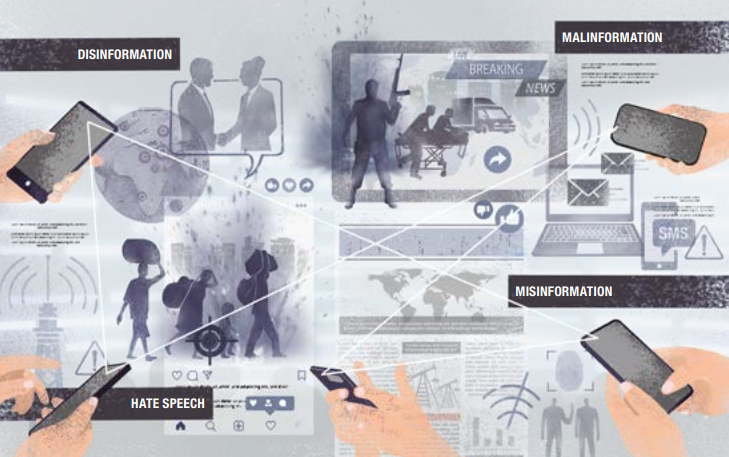
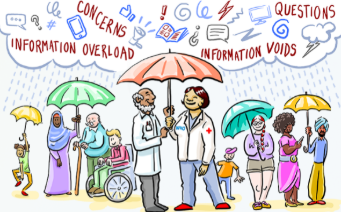
Information has the power to save lives. But it can also an erode trust, heighten fear, sow confusion, and make it harder for people to access the support they need.
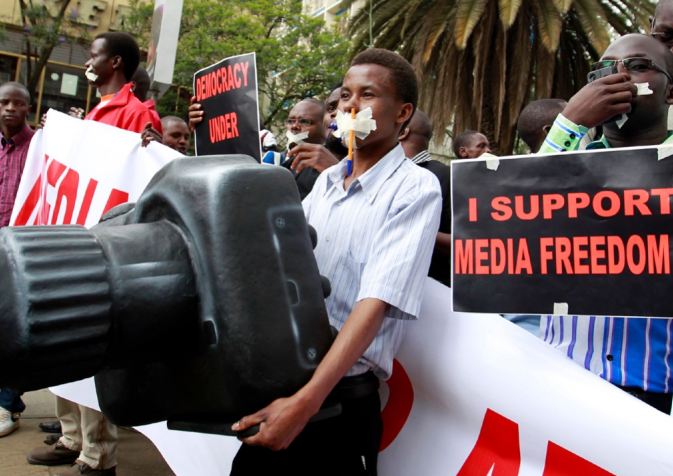
Information integrity describes an ecosystem in which people can trust the accuracy of the information they access while also encountering a diversity of ideas. It determines whether people know how to access aid, whether communities trust responders, whether local media can operate safely, whether rumours trigger harmful behaviour, and whether humanitarian organisations can make decisions based on reliable signals.
CDAC and our members work at the frontlines of information integrity, developing practical tools that help local communities and humanitarians verify content, promoting reliable information sharing, building media and digital literacy capacity to boost resilience to harmful information, and deepening public understanding of how the changing ways that information is produced and shared affects how people think and act in crises.
Want to help make sense of the changing information environment? Ready to co-design solutions? Join CDAC’s Community of Practice on information integrity by contacting info@cdacnetwork.org
CDAC’s information integrity work
We generate evidence
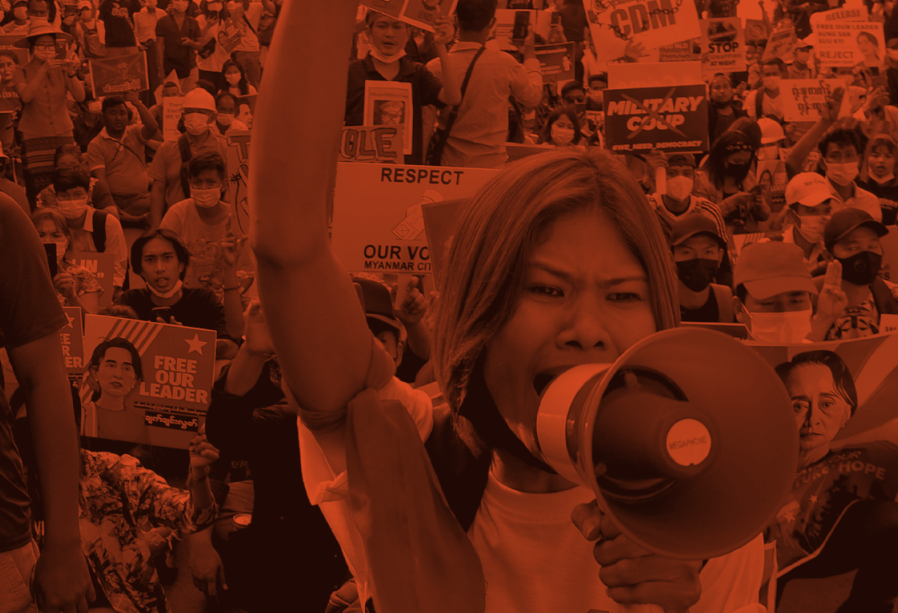
Field-informed analysis on how information risks affect humanitarian outcomes, including Lebanon, Sudan, Myanmar, and beyond.
We convene across sectors
Communities of Practice and public events that bring together humanitarian, media development, digital rights, technology and local actors.
We produce practical tools
Tipsheets, guidance and response frameworks for harmful information, inauthentic networks, digital security and crisis communication.
We shape policy and practice
Briefings and recommendations for donors, humanitarian leaders, platforms and policymakers.
Featured tools and pilots
-
![]()
Information as aid 2.0: lessons from Lebanon, Sudan and Myanmar – CDAC Network
-
![]()
Detecting and responding to inauthentic network behaviour – CDAC Network
-
![]()
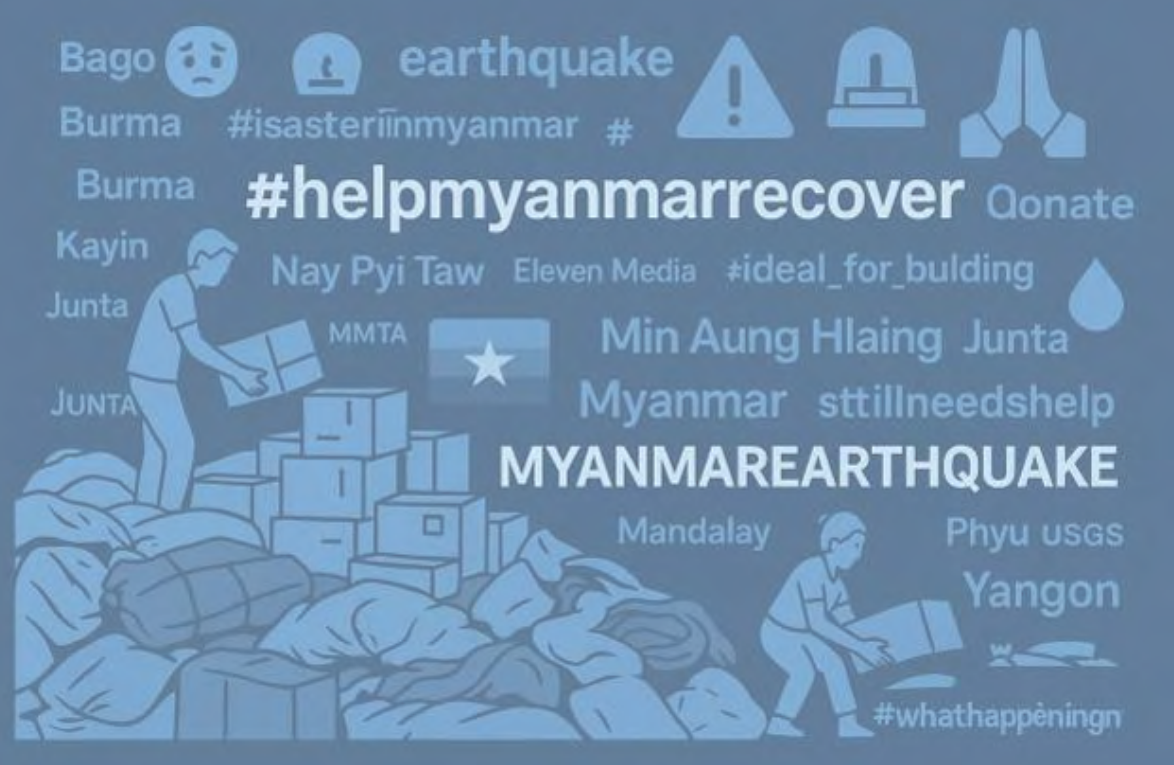
Snapshot: harmful information in post-earthquake Myanmar – CDAC Network
-
![]()
How to spot harmful information in crises – CDAC Network
-
![]()
Racing against rumours: harmful information in Lebanon – CDAC Network




Resources from the Network
-
![]()
Information integrity toolkit – UNHCR
-
![]()
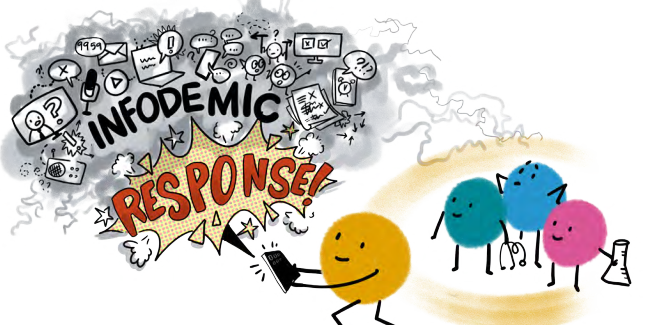
The Africa Infodemic Response Alliance (AIRA) – WHO
-
![]()
Rumour has it: a practice guide to working with rumours – CDAC Network
-
![]()
A practical guide to prebunking misinformation – BBC Media Action
-
![]()
Managing misinformation in a humanitarian context: case studies & how-to guide – Internews
-
![]()
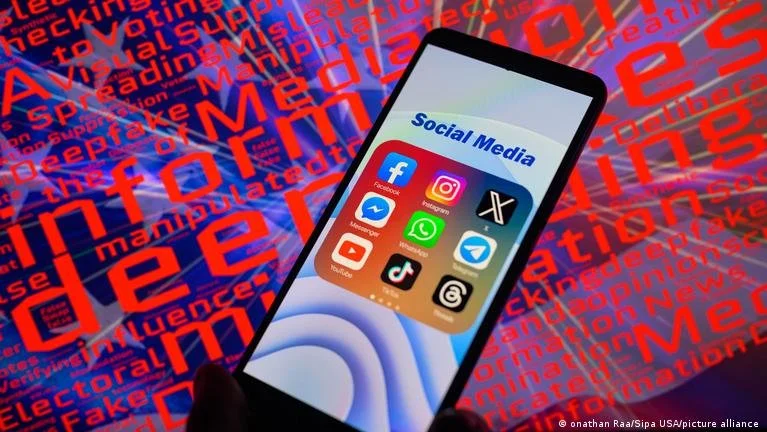
10 tips to minimise the sharing of misinformation via social media channels – UNHCR
-
![]()
Online gendered disinformation and sexist hate speech – IMS
-
![]()
Misinformation, disinformation and hate speech: questions and answers – ICRC
-
![]()
Journalism & disinformation: a handbook – Fondation Hirondelle
-
![]()
How can fact-checking be improved? – DW Akademie
-
![]()
Information dependency: understanding the communicative ecology of young refugees in Kakuma – HADRI
-
![]()
Taking a progressive and decolonial approach to digital ecosystems – WACC
-
![]()
Taking action against tech-facilitated gender-based violence – WACC
-
![]()
Digital justice: a study and action guide – WACC
-
![]()
Learning from social media narratives in the DRC – Insecurity Insight
-
![]()
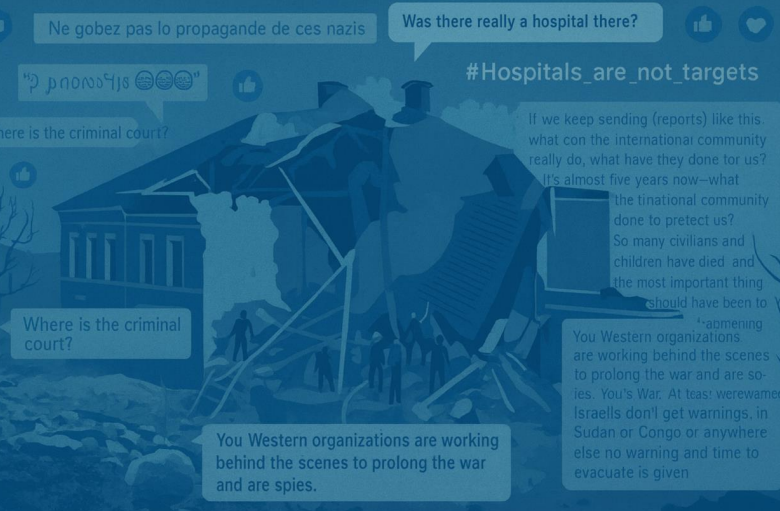
Social media reactions to hospital bombings: lessons from incidents in four conflict-affected contexts – Insecurity Insight
-
![]()
The IRC warns against worrying rise of misinformation in crisis-affected states, imperiling fight against COVID-19 – IRC
-
![]()
The effectiveness of UN peacekeeping operations – NORCAP
-
![]()
State of the world’s girls 2021: the truth gap – Plan International
-
![]()
Journalism in the AI era: a TRF insights survey – Thomson Reuters Foundation
-
![]()
Weaponising the law: threats to media freedom in Kenya – Thomson Reuters Foundation
-
![]()
Framework for information integrity – Internews
-
![]()
Trust analytical framework – Internews
-
![]()
Information ecosystem model – Internews
-
![]()
Inequity driven mistrust: its impacts to infodemic management and health response – Internews
-
![]()
Turning social listening data into action – Internews
-
![]()
Integrity Initiative research approach – BBC Media Action
-
![]()
Key insights from research into information disorder around the world – BBC Media Action
-
![]()
Sticking to the facts, building trust: our cure for disinformation – Fondation Hirondelle
-
![]()
Reliable information: a remedy for disinformation – Fondation Hirondelle
-
![]()
Understanding the role of local media in promoting social cohesion in Ukraine – Fondation Hirondelle
-
![]()
Information integrity: towards a preventive and inclusive approach to disinformation – Fondation Hirondelle
-
![]()
Information integrity solutions – IMS
-
![]()
Public interest infrastructure: making tech and journalism work for democracy – IMS
-
![]()
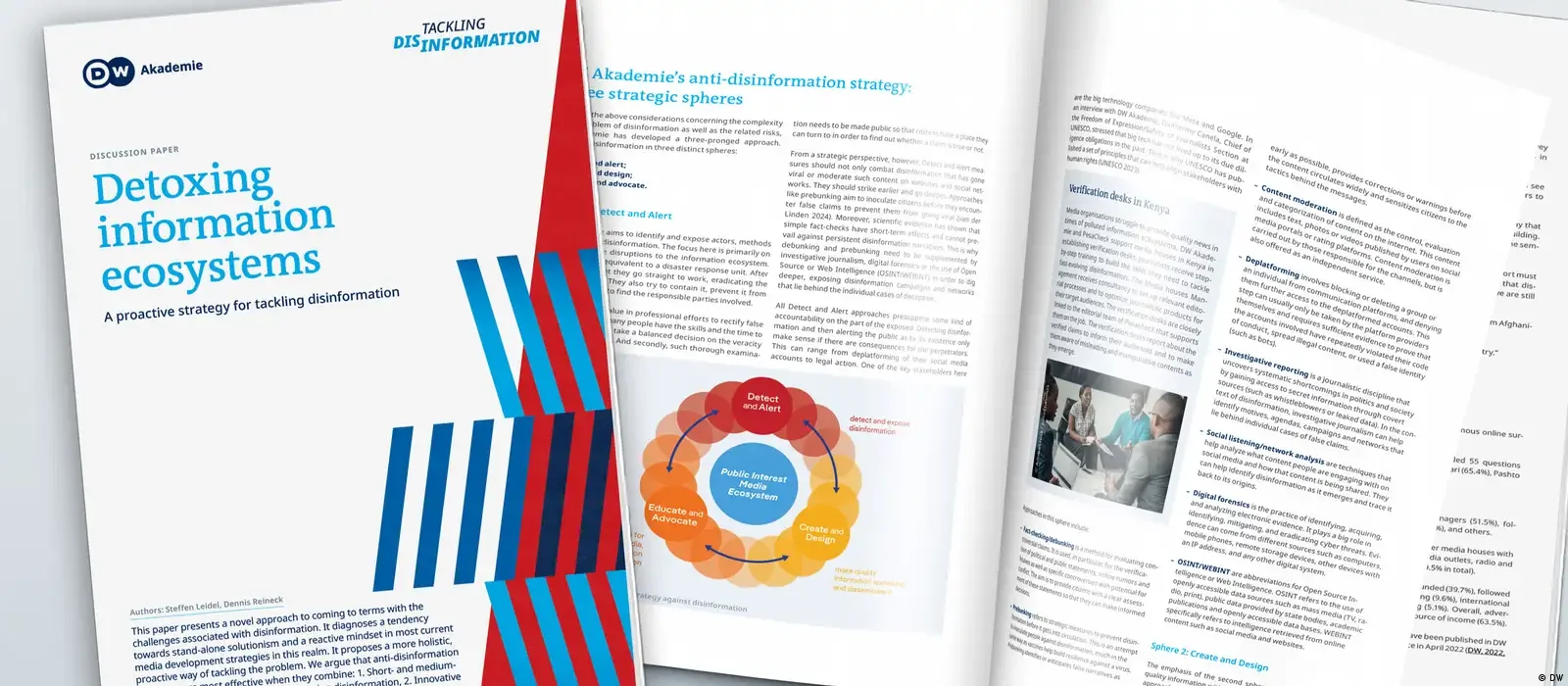
Detoxing information ecosystems: a proactive strategy for tackling disinformation – DW Akademie
-
![]()
Tackling disinformation: a learning guide – DW Akademie
-
![]()
Addressing harmful information in conflict settings: a response framework for humanitarian organizations – ICRC
-
![]()
Harmful information: questions and answers – ICRC
-
![]()
Liar’s war: protecting civilians from disinformation during armed conflict – ICRC
-
![]()
Protecting the global information space in times of armed conflict – ICRC
-
![]()
Learn how to manage the infodemic and reduce its impact – WHO
-
![]()
Infodemic news flashes – WHO
-
![]()
Impact of the COVID-19 infodemic on frontline workers and health systems – WHO
-
![]()
Managing false information in health emergencies: an operational toolkit – WHO















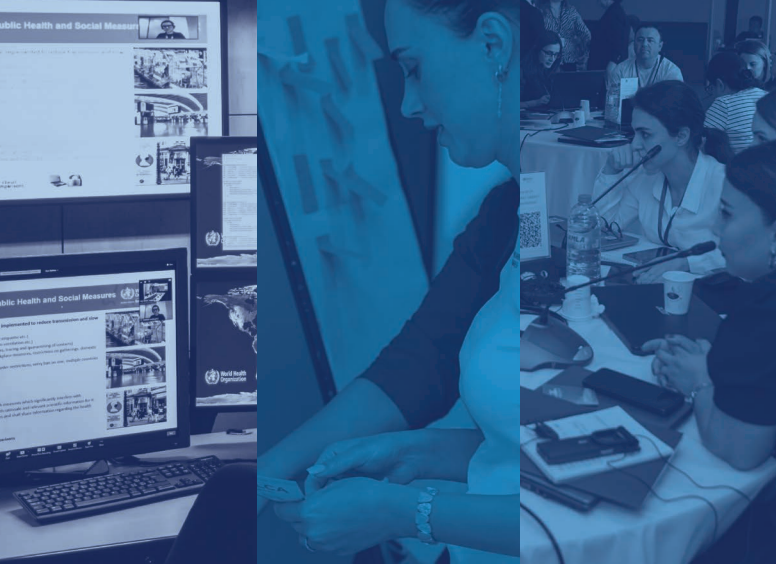
Community of Practice meetings
-
Our next session
20 October 2026 14:00 London time
We will discuss the recent International Panel on the Information Environment (IPIE) report and what its findings mean for the humanitarian sector. Topics include how people now find information, the right to know, information integrity and the role of independent media.
-
Previous 2026 sessions
17 March
27 April
2 June
21 July
Join our community
To join CDAC’s Community of Practice on information integrity, please get in touch by filling in the form or contacting info@cdacnetwork.org.
To contribute a CDAC member organisation’s resource to our portal, contact info@cdacnetwork.org.