Resources
Search our resources
Or filter resources by
Country/region
- Afghanistan 2
- Africa 33
- Americas 3
- Asia 11
- Bangladesh 3
- Belarus 1
- Burkina Faso 3
- Caribbean 6
- Chad 1
- Colombia 3
- Cote D'Ivoire 1
- DRC 1
- Dominica 2
- Ethiopia 3
- Europe 10
- Fiji 6
- Global 60
- Guinea 1
- Haiti 4
- Horn of Africa 8
- Indonesia 1
- Iraq 1
- Kenya 10
- Lebanon 1
- Libya 1
- Malawi 1
- Middle East 9
- Morocco 2
- Mozambique 4
- Myanmar 4
- Nepal 3
- Niger 2
- Pacific 19
- Pakistan 4
- Palestine 3
- Papua New Guinea 10
- Philippines 6
- Somalia 3
- South Sudan 2
- Southeast Asia 7
- Sudan 9
- Syria 3
- Turkiye 3
- Ukraine 6
- Vanuatu 5
- Yemen 1
- Zimbabwe 1
Topic
- #safeai 7
- #safeaihumanitarianengagement 1
- #safeaiparticipation 3
- AI 13
- CDAC Public Forum 13
- COVID-19 12
- DEPP 7
- Digital security 2
- Lebanon 1
- Local Lifelines 3
- Myanmar 2
- National Platforms 9
- PSEA 2
- SMS 2
- Sudan 4
- accountability 47
- capacity bridging 15
- cholera 1
- climate 11
- co-design 3
- communication 109
- community engagement 78
- conflict 21
- coordination 52
- cyclone 3
- development 1
- digital 35
- digital hygine 1
- disability 2
- disaster 40
- displacement 14
- drought 3
- earthquake 13
- feedback 6
- financing 5
- floods 3
- harmful information 3
- health 14
- hotline 1
- hurricane 2
- inclusion 11
- information 71
- information integrity 11
- journalism 31
- localisation 27
- media 50
- media development 4
- misinformation 9
- needs assessment 7
- online safety 1

SAFE AI Framework
SAFE AI (Standards and Assurance Framework for Ethical AI) is the first operational governance framework for AI in humanitarian action: so deployments can be seen, compared and improved. Free to use: download the Framework and Tools & Guidance here.
Step by step: how SAFE AI contributes to trustworthy AI
This briefing outlines how each step of the SAFE AI Framework has been designed to support the seven characteristics of trustworthy AI, as based on the National Institute of Standards and Technology (NIST) AI Risk Management Framework.
Risks in humanitarian AI
This briefing sets out the main categories of risk that arise when humanitarian organisations deploy AI, and shows how the SAFE AI Framework and its tools respond to each.
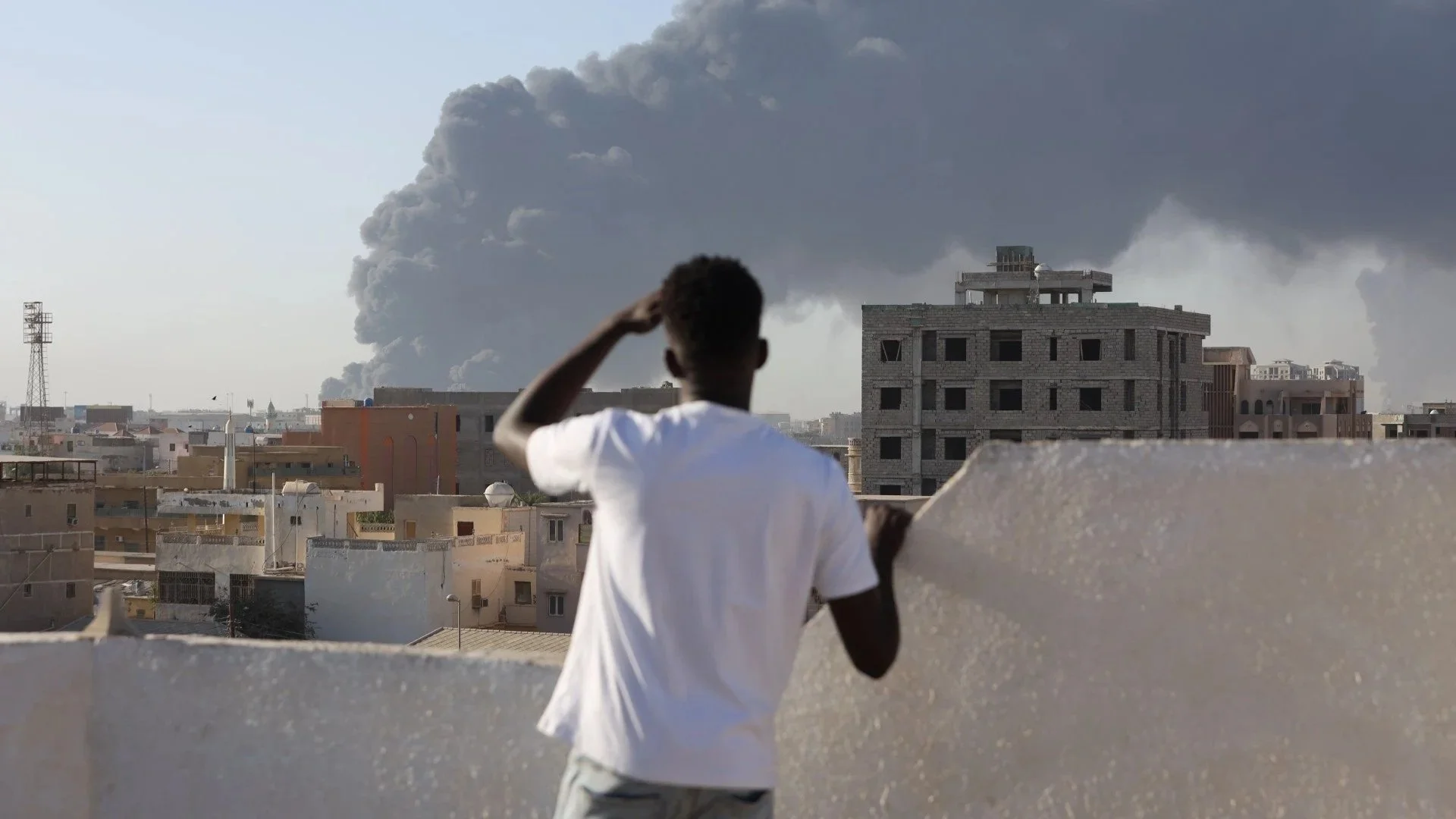
Flooding the zone: how inauthentic networks weaponise information in Sudan – and what humanitarians can do
In 2025, CDAC launched a new initiative in collaboration with Valent to use AI to identify inauthentic networks and monitor manipulation of online narratives in Sudan’s war. This report examines the project’s co-design ambitions, reviews the integration of AI into humanitarian response, measures the project’s operational impact on Sudanese and international partners, and draws together key lessons from the pilot.

Tipsheet: Detecting and responding to inauthentic network behaviour
Inauthentic networks use coordinated fake social media accounts, bots and mass engagement tactics to manipulate and amplify narratives at scale. This tipsheet explains how humanitarians can identify coordinated inauthentic network behaviour, assess the risks and respond.

The governance gap in humanitarian AI: addressing the structural gap between global frameworks and operational reality
AI governs who gets aid, yet the humanitarian sector has no shared framework to govern AI. SAFE AI’s inaugural briefing establishes why the governance gap is structural, why global frameworks don't translate to humanitarian realities, and what independent assurance must look like.
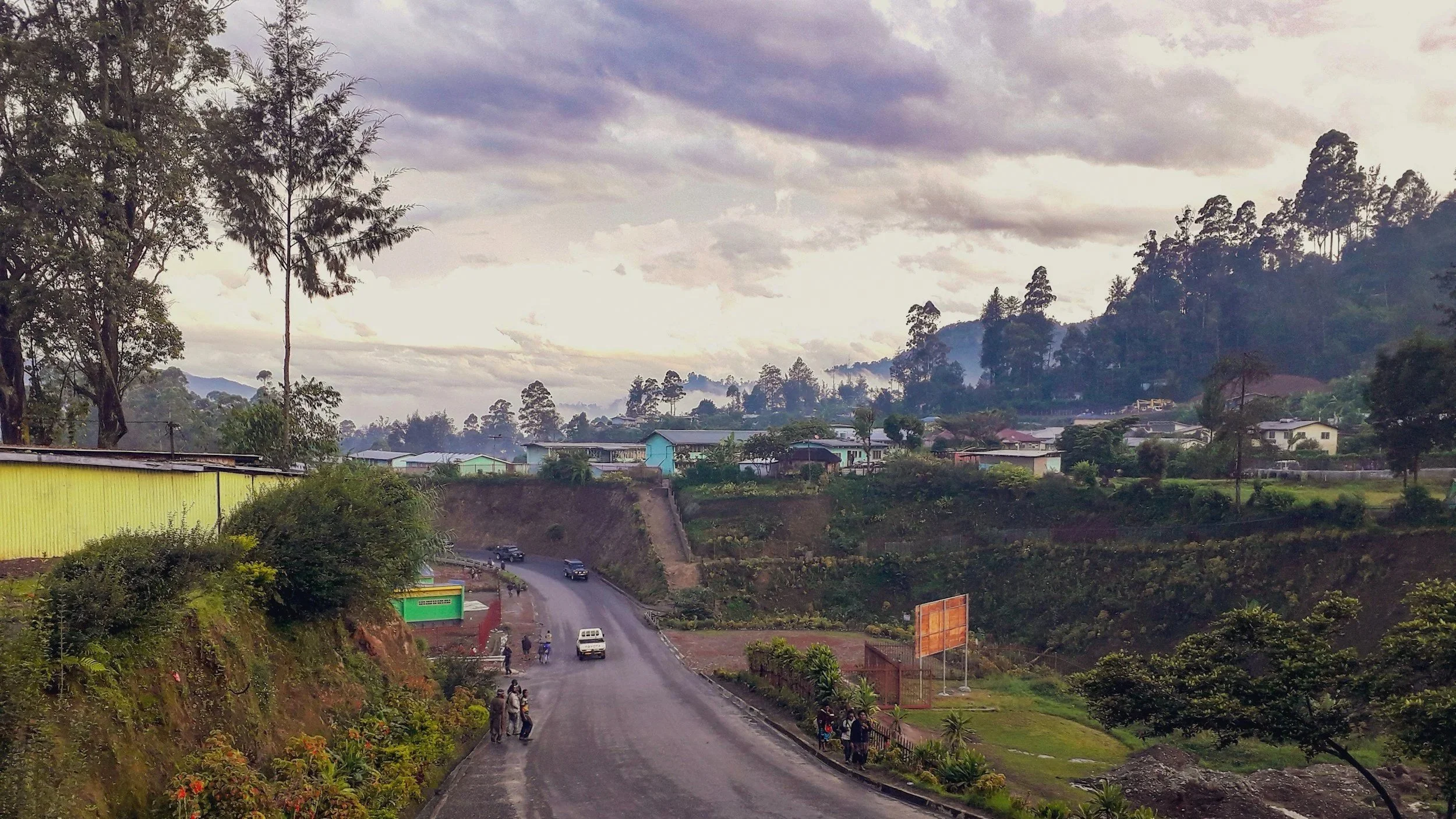
Empowering crisis-affected communities in Papua New Guinea through information
This guide provides a framework for disseminating lifeline messages to people affected by crises in Papua New Guinea via trusted and accessible communications channels. It also includes key messages and channels for sharing them.

Kenya Media Landscape Guide
Avaliable in English and Swahili, this guide provides a snapshot of the media environment in Kenya, including digital and social media, radio, television, print and other traditional forms of mass communication. The aim is to facilitate reliable, trusted and timely communication, particularly during crises, and to promote a healthy information environment in Kenya.

How to spot harmful information in crises
In times of emergency, finding reliable information online can be challenging. This tipsheet offers practical advice to help you identify trustworthy information and avoid misinformation.
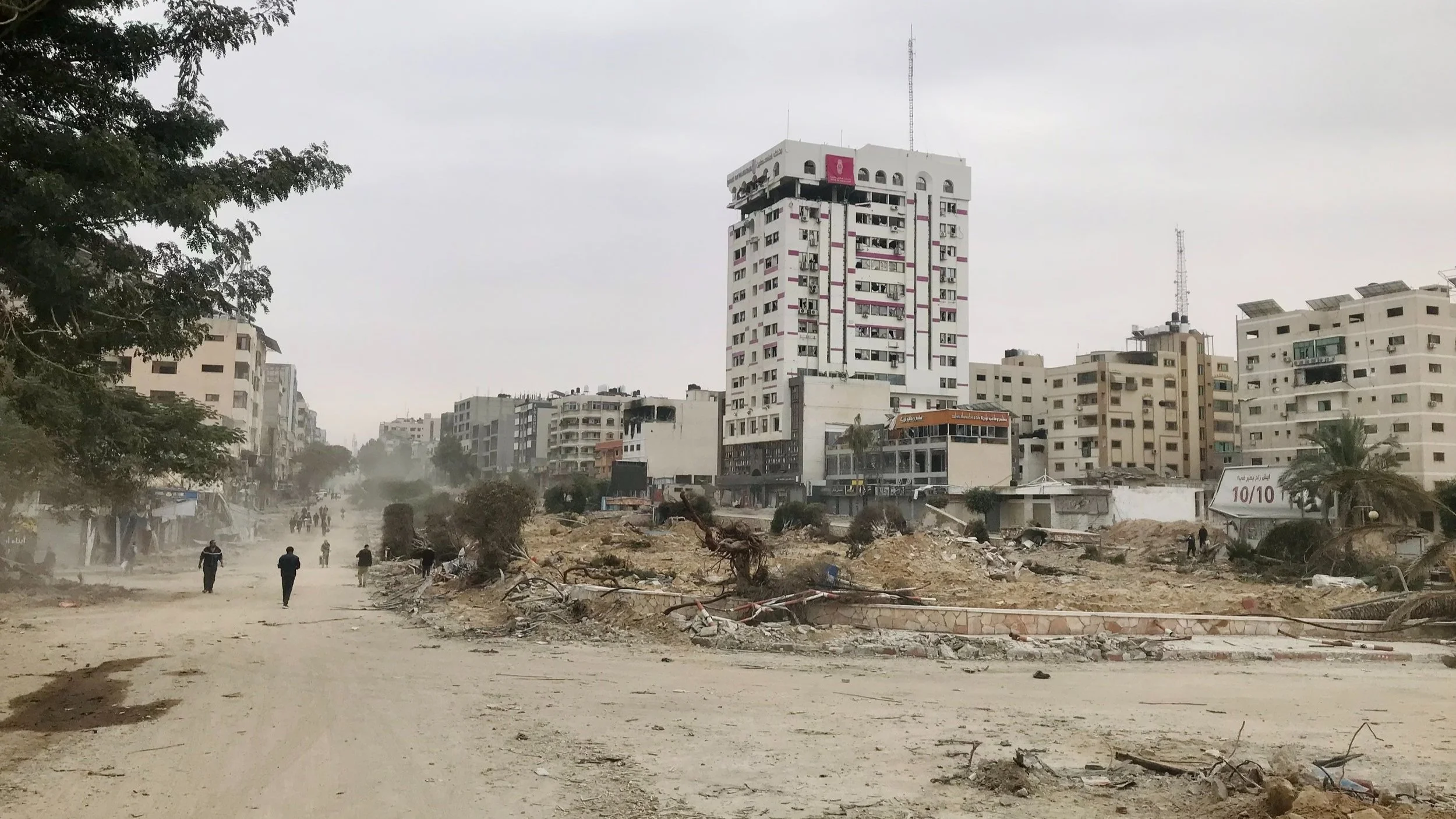
Urgent call to prioritise communication in Gaza
As communications blackouts continue to cut Gaza off from access to information and connectivity, CDAC Network issues an urgent call to let Gazans speak, connect with one another and make informed decisions.
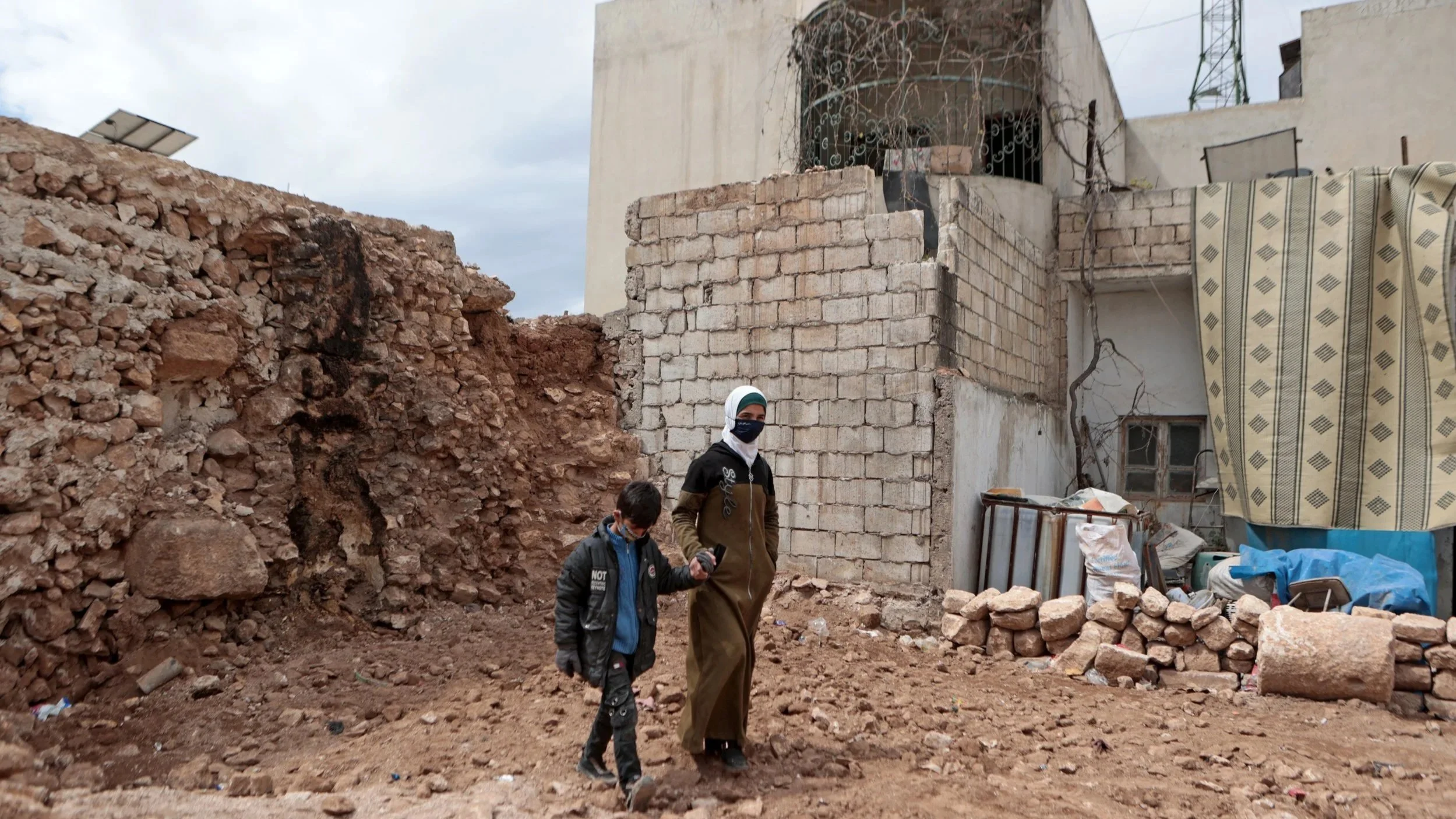
An analysis of the communication and engagement ecosystem in earthquake-affected northwest Syria
This report presents findings from a study aiming to understand the information ecosystem in northwest Syria, where communication and engagement occur in a sensitive and highly politicised environment.
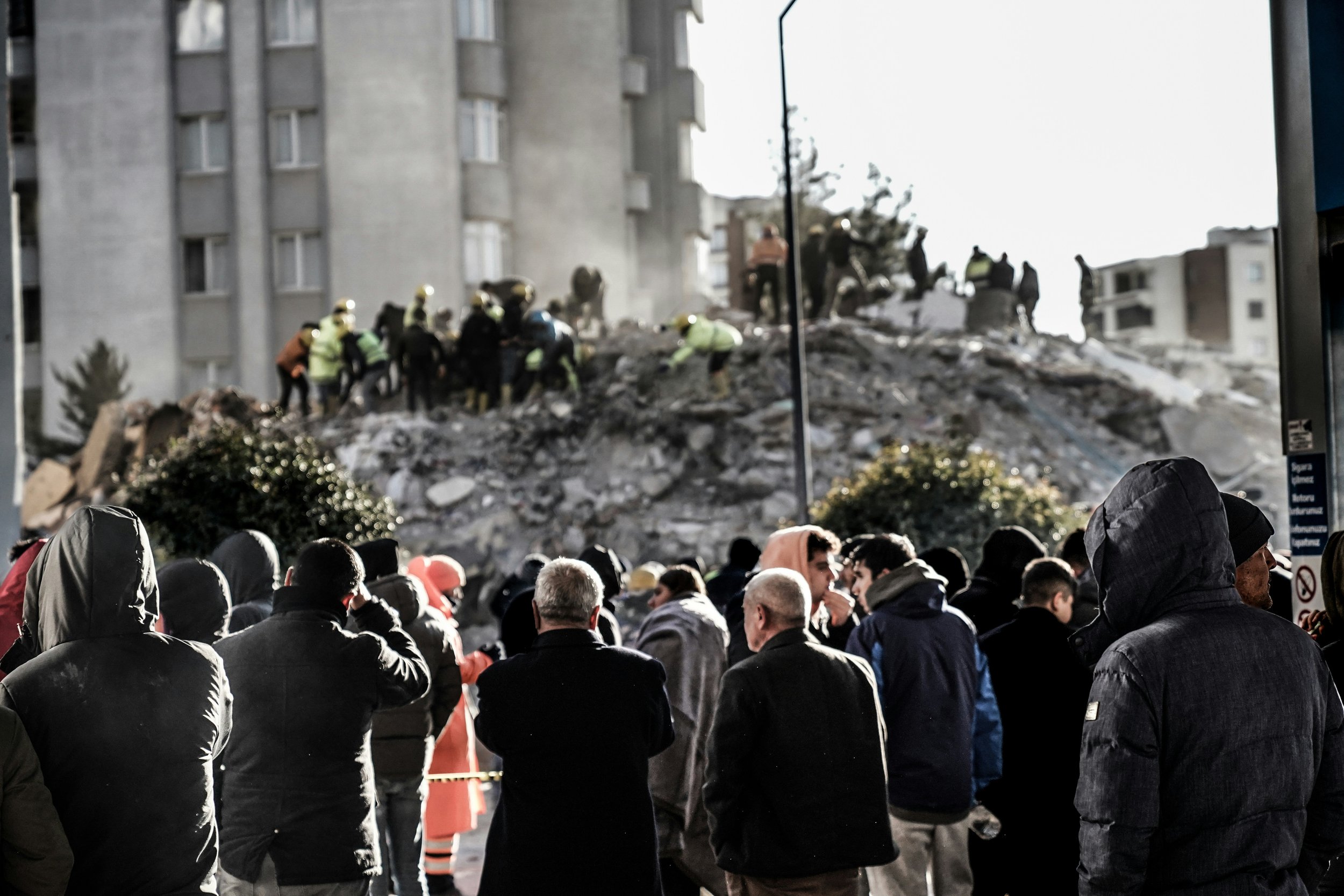
An analysis of the communication and engagement ecosystem in earthquake-affected Türkiye
This report presents findings from a study aiming to understand the information flows and communication ecosystem in post-earthquake Türkiye. The findings are intended to facilitate informed, inclusive and accountable response and recovery planning to meet the needs of affected people.

Digital communication and accountability: insights from a year of discussions with CDAC Network
Through its public events in 2021, CDAC Network explored digital communication and accountability – in particular, asking how technology could offer a tipping point in shifting the power in aid. This policy brief outlines our key takeaways.

Afghanistan Media Landscape Guide
This Media Landscape Guide provides a snapshot of the media in Afghanistan, including the audiences, the producers, the preferences of different groups in the community, the communications culture, and the languages associated with the media.

Belarus Media Landscape Guide
Produced in January 2022, this Media Landscape Guide provides a snapshot of the media at that time in Belarus. It includes an analysis of the recent shocks to the media landscape and an overview of the different types of media and information sources available for Belarusians.

Palestinian Territories Media Landscape Guide
This Media Landscape Guide provides a snapshot of the media in the Palestinian territories, including the audiences, the producers, the preferences of different groups in the community, the communications culture, and the languages associated with the media.

Malawi Media Landscape Guide
This Media Landscape Guide provides a snapshot of the media in Malawi, including the audiences, the producers, the preferences of different groups in the community, the communications culture, and the languages associated with the media.
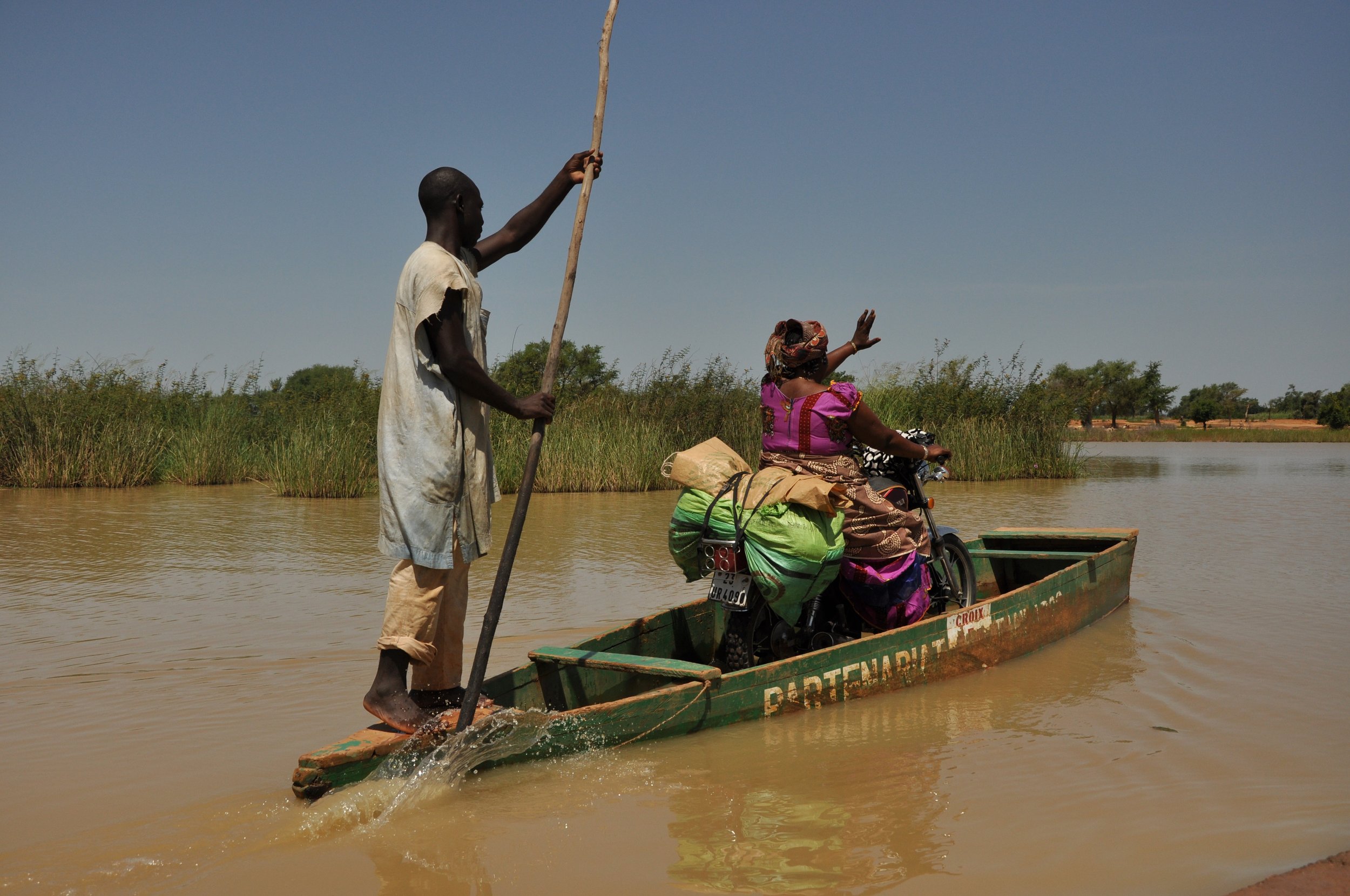
Burkina Faso Media Landscape Guide
This Media Landscape Guide provides a snapshot of the media in Burkina Faso, including the audiences, the producers, the preferences of different groups in the community, the communications culture, and the languages associated with the media.

Morocco Media Landscape Guide
This Media Landscape Guide provides a snapshot of the media in Morocco, including the audiences, the producers, the preferences of different groups in the community, the communications culture, and the languages associated with the media.

Pakistan Media Landscape Guide
This Media Landscape Guide provides a snapshot of the media in Pakistan, including the audiences, the producers, the preferences of different groups in the community, the communications culture, and the languages associated with the media.