
Technology & innovation
We aim to shift power in the aid sector by enabling communities to fully participate in technology and innovation programmes, and pioneering models for systems change and locally led humanitarian action.
Rapidly evolving digital technologies are transforming our information ecosystems, creating significant opportunities and challenges. CDAC Network is committed to harnessing innovation for a more inclusive future by involving crisis-affected communities in designing and delivering services that empower them.
Spotlights
-

SAFE AI Project
The SAFE AI project tackles a critical challenge: ensuring AI benefits humanitarian action without harming vulnerable populations. A partnership between CDAC Network, The Alan Turing Institute, and Humanitarian AI Advisory, we're developing the first practical framework for responsible AI for humanitarians. Funded by UK FCDO, our work focuses on creating clear governance guidelines, building tools to verify AI trustworthiness, ensuring affected communities have a meaningful voice, and working directly with humanitarian organisations to ensure real-world applicability.
-

Community of Practice on artificial intelligence
Our Community of Practice on AI is a platform for advancing innovation in humanitarian aid while ensuring the needs of crisis-affected communities remain at the forefront.
Members share insights, learn collectively and collaborate to build consensus on AI's role in enhancing aid and empowering local action.
We're committed to using AI safely and responsibly, ensuring its design and governance are guided by the voices and needs of those most impacted by crises.
-

Community of Practice on harmful information
Our Community of Practice on harmful information is a collaborative space for addressing misinformation, disinformation and hate speech in humanitarian settings.
Members work to safeguard information integrity in crises by developing tools and best practices for verifying content, promoting reliable information-sharing and strengthening media and digital literacy.
Together we aim to bolster community resilience and ensure safer information ecosystems in humanitarian contexts.
-

Innovation labs
The Disasters and Emergencies Preparedness Programme (DEPP), co-led by CDAC Network and Start Network and funded by UK Aid, focused on locally led innovation in crisis-vulnerable communities.
DEPP innovation labs employed user-centred design approaches to develop local solutions to challenges like drought, flooding and conflict.
The labs involved affected people at all stages, supporting more than 90 groups with business development and social entrepreneurship training. Many DEPP initiatives continue to thrive.
Digital technology resources

Inauthentic networks use coordinated fake social media accounts, bots and mass engagement tactics to manipulate and amplify narratives at scale. This tipsheet explains how humanitarians can identify coordinated inauthentic network behaviour, assess the risks and respond.

AI governs who gets aid, yet the humanitarian sector has no shared framework to govern AI. SAFE AI’s inaugural briefing establishes why the governance gap is structural, why global frameworks don't translate to humanitarian realities, and what independent assurance must look like.

In times of emergency, finding reliable information online can be challenging. This tipsheet offers practical advice to help you identify trustworthy information and avoid misinformation.

Through its public events in 2021, CDAC Network explored digital communication and accountability – in particular, asking how technology could offer a tipping point in shifting the power in aid. This policy brief outlines our key takeaways.



In this background paper for the 2021 CDAC Public Forum, Kaurin argues that, ‘Localisation of technology can support humanitarian localisation in making communities resilient, instead of reliant on international aid and services that are disrupted by global crises such as the COVID-19 pandemic.’

How do we make technology inclusive, fair and accessible? Read insights from the 2020 CDAC AGA and Public Forum, ‘Accountability in the age of the algorithm: championing pathways to inclusion in tech-driven futures’, where interdisciplinary experts wrestled with the dual problems of equity and efficacy.

From the 2020 CDAC AGA and Public Forum, ‘Accountability in the age of the algorithm: championing pathways to inclusion in tech-driven futures’, a fundamental challenge to the systems of inherent privilege on which today’s aid sector is built and how they intersect with new technology.

Concept note and background for the 2020 CDAC Network Public Forum.

This report summarises the main themes raised during the 2019 CDAC Network Public Forum and offers solutions to some of the innovation challenges facing the humanitarian system.

Written in advance of the 2019 CDAC Network Public Forum, this background paper looks at the evolution of innovation in the humanitarian sector.

Report from the CDAC Network Annual Global Forum in 2018. Participants acknowledged the communication environment is now one where hierarchical ‘business as usual’ approaches are demonstrably less effective and on the wrong side of history.

Outcomes report from CDAC Network’s joint event with the ICRC and DFID in September 2016. The event brought considerable energy to a complex number of issues around communicating with people living in dire circumstances that must be resolved.

Key learning from expert seminars on humanitarian broadcasting; humanitarian financing; social media in emergencies; using SMS in humanitarian response; and mobile and humanitarian response.
Insights
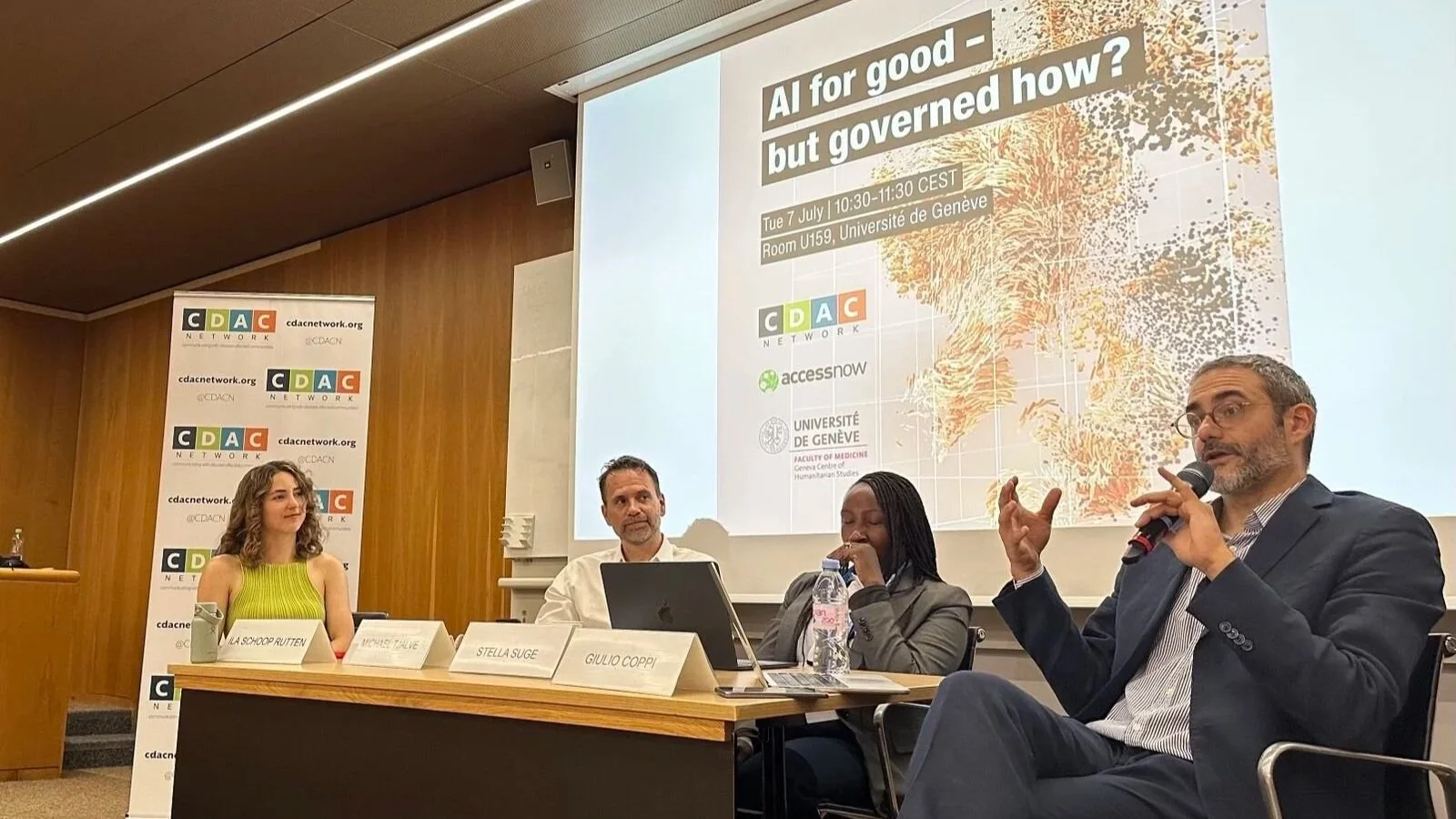
AI is already in use across the humanitarian sector, often unapproved. Takeaways from our panel with Access Now and FilmAid Kenya on what governing it actually takes.
AI content is often not designed to deceive anyone – it’s designed to satisfy the recommender algorithms that decide what we see. Philip Di Salvo argues that ‘AI slop’ is reshaping the information ecosystem itself, with the sharpest consequences falling on those least able to be heard.

CDAC’s three workstreams – Community Engagement and Accountability, Information Integrity, and AI – are not three separate agendas. They are three aspects of the same underlying question that has always driven CDAC’s work: who has power over information, decisions and technology in crises?

The issue is no longer just the spread of false or manipulative information. It is that the entire architecture through which people encounter and interpret information is shifting at speed – and humanitarian institutions are struggling to keep pace.
CDAC Network has become an official Affiliate of the International Association for Safe and Ethical AI (IASEAI). Our Executive Director, Helen McElhinney, has been appointed to its inaugural Council, sitting on the Community Committee and chairing a Working Group on transparency the ‘right to know’.
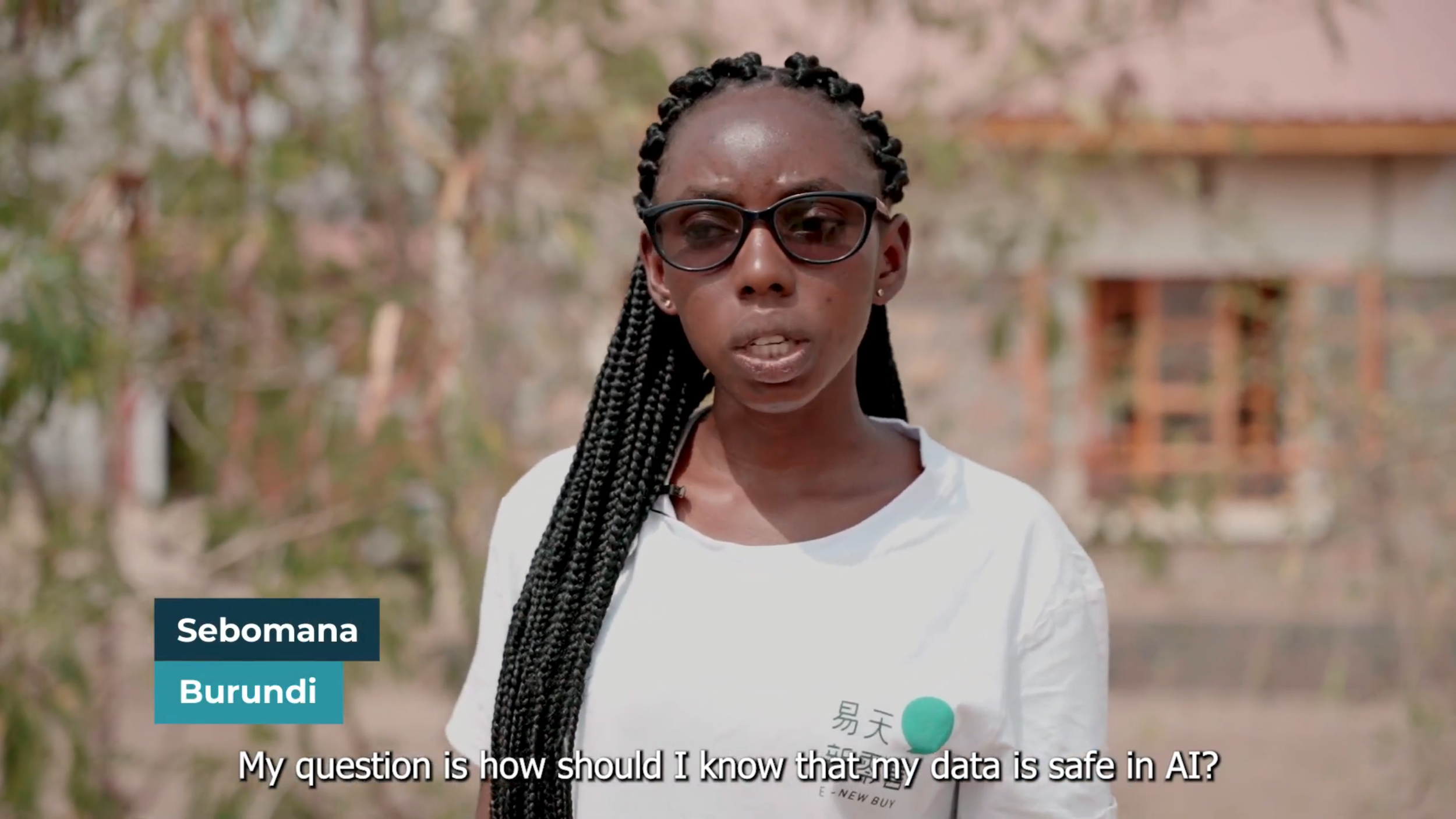
CDAC Network calls for a ‘community-in-the-loop’ approach to AI in humanitarian response — ensuring people affected by crisis are involved in the design, deployment, and oversight of AI systems that impact their lives, with accountability built in by design, not as an afterthought.
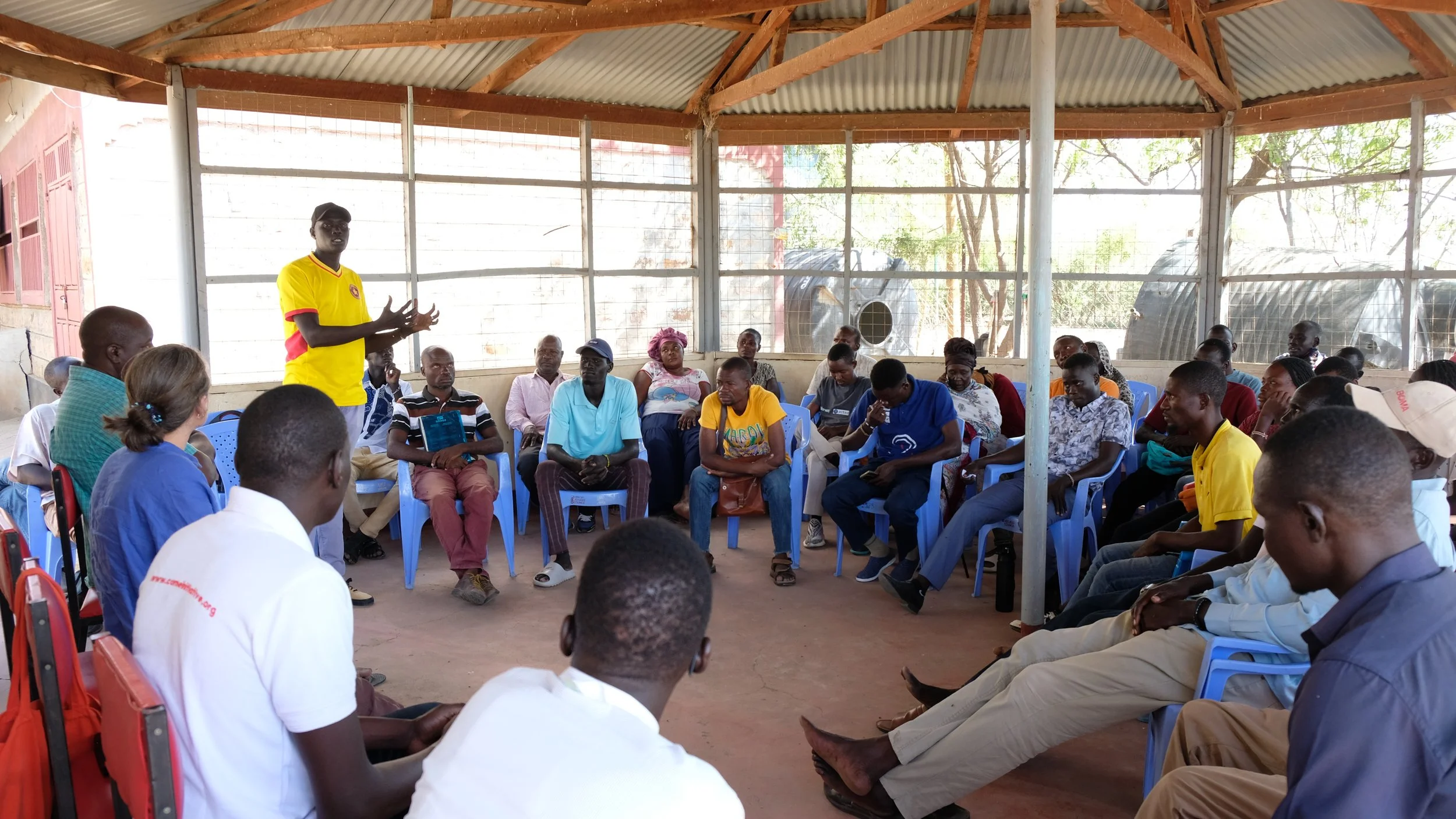
DW Akademie’s Aarni Kuoppamäki points to the vital importance of community-led communication as an accountability function ahead of this year’s CDAC Network Public Forum on 10 December 2025.
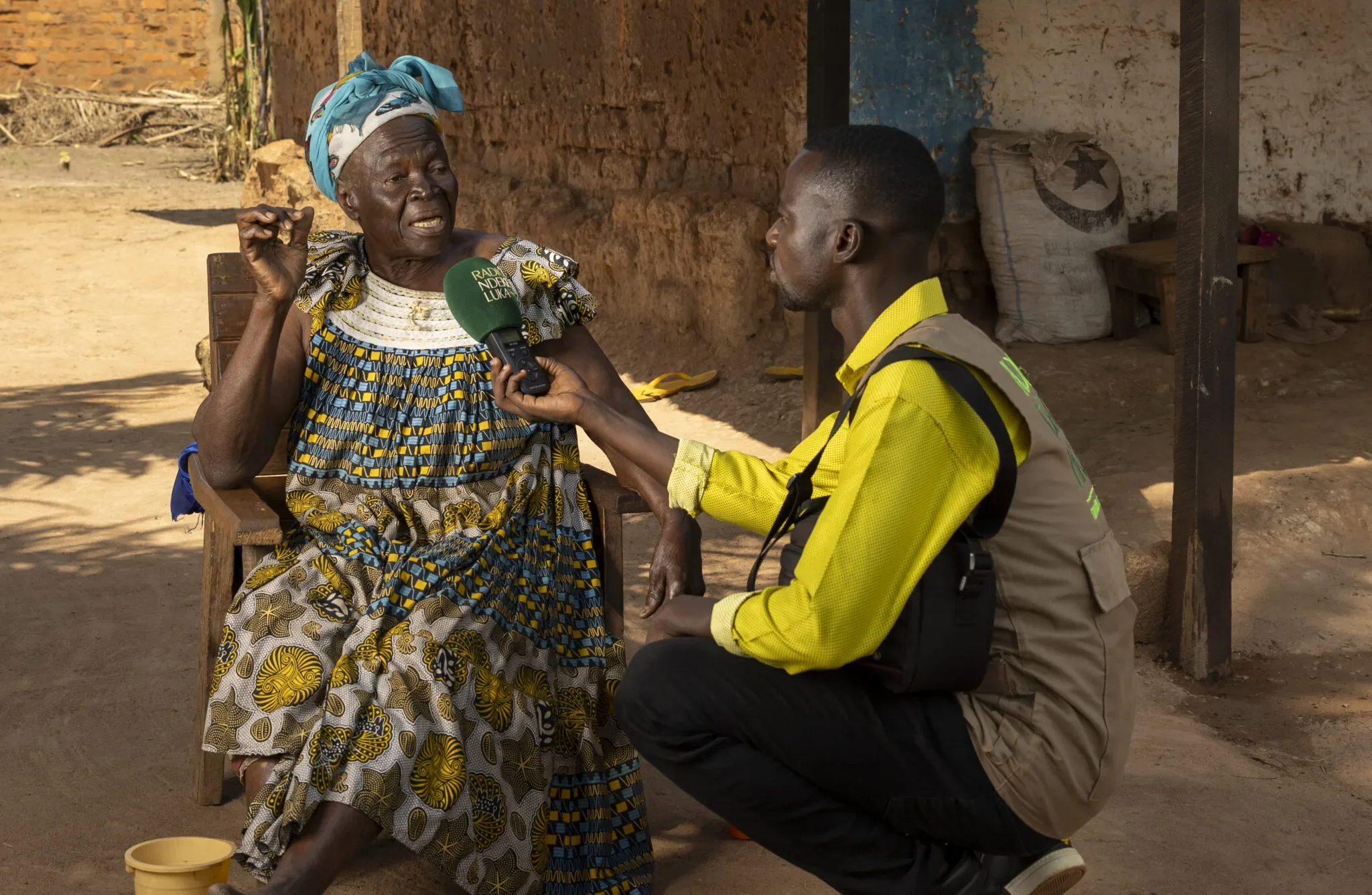
Sacha Meuter and Jacqueline Dalton highlight the essential role of local journalism in countering the spread of harmful information in crisis contexts and in playing a preventive role ahead of conflicts. Ahead of this year’s CDAC Network Public Forum on 10 December 2025, we’ll be hearing from voices on what they want to talk about at the event.

Transparency and Accountability cannot be achieved alone. Humanitarians and journalists need each other, says Stijn Aelbers. Ahead of this year’s CDAC Network Public Forum on 10 December 2025, we’ll be hearing from voices on what they want to talk about at the event.

When AI is used to design and disseminate disinformation campaigns, can it also help detect and respond to them?
CDAC Network and Valent are working together to figure out how AI expertise can be used for good, by connecting the technical expertise with actors on the ground in Sudan.

This year’s CDAC Network Public Forum and AGA is coming to Bonn, Germany, on 10-12 December 2025! Held in partnership with the German Forum on Media Development (FOME) – hosted by DW Akademie and Fondation Hirondelle. Register now for tickets!

Join us for this special CDAC Network Community of Practice on AI, co-hosted with the MERL Tech Initiative, on 6 August 2025. We will focus on how we ensure accountability is built into the growth of AI in the humanitarian sector.

The SAFE AI project focuses on creating clear governance guidelines, building tools to verify AI trustworthiness, ensuring affected communities have a meaningful voice, and working directly with humanitarian organisations to build solutions that address their actual needs.

The Data Values Advocates Program equips people, especially young people and those from underrepresented communities, with the skills and resources to advocate for equitable, community-centred data systems. Learn how you can get involved!

This year’s Public Forum will ask: what could accountable AI design and governance look like? Who controls the data shaping humanitarian action? Whose ethics should guide the take-up of tech in conflicts and crises? What information and tools do crisis-affected communities need to play a central role in decision-making?

Watch the World Summit AI 2024 panel where CDAC’s Executive Director, Helen McElhinney, made the case for deeper community participation in the development and use of artificial intelligence (AI) technologies in humanitarian settings.
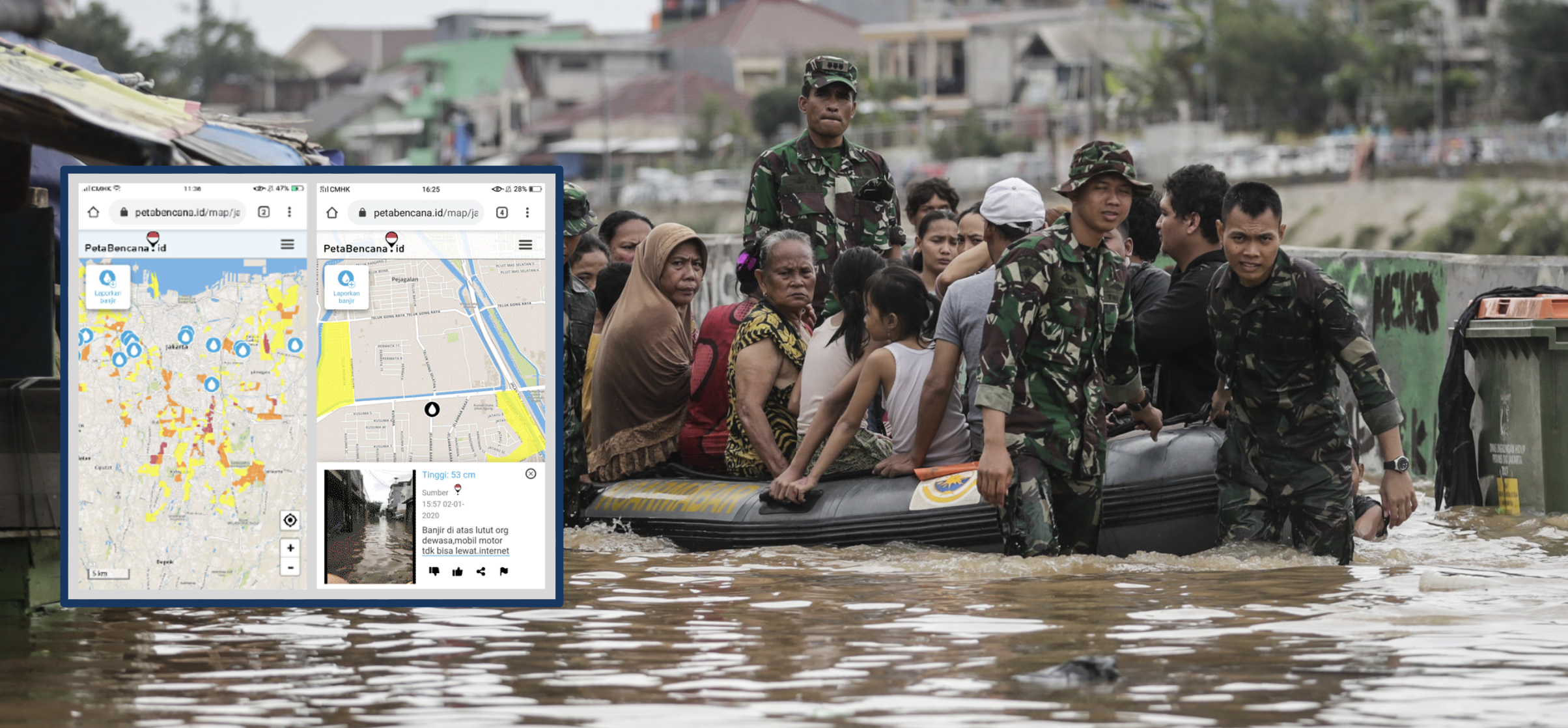
CDAC Network is excited to announce the launch of a new online training course, designed to equip humanitarian professionals with the skills to harness the power of community intelligence and AI to deliver faster, better and more localised humanitarian responses.

Generative artificial intelligence is a new dimension to the old problem of disinformation. It has made the issue much more complicated, particularly for people affected by conflict and crises. How should humanitarians respond?
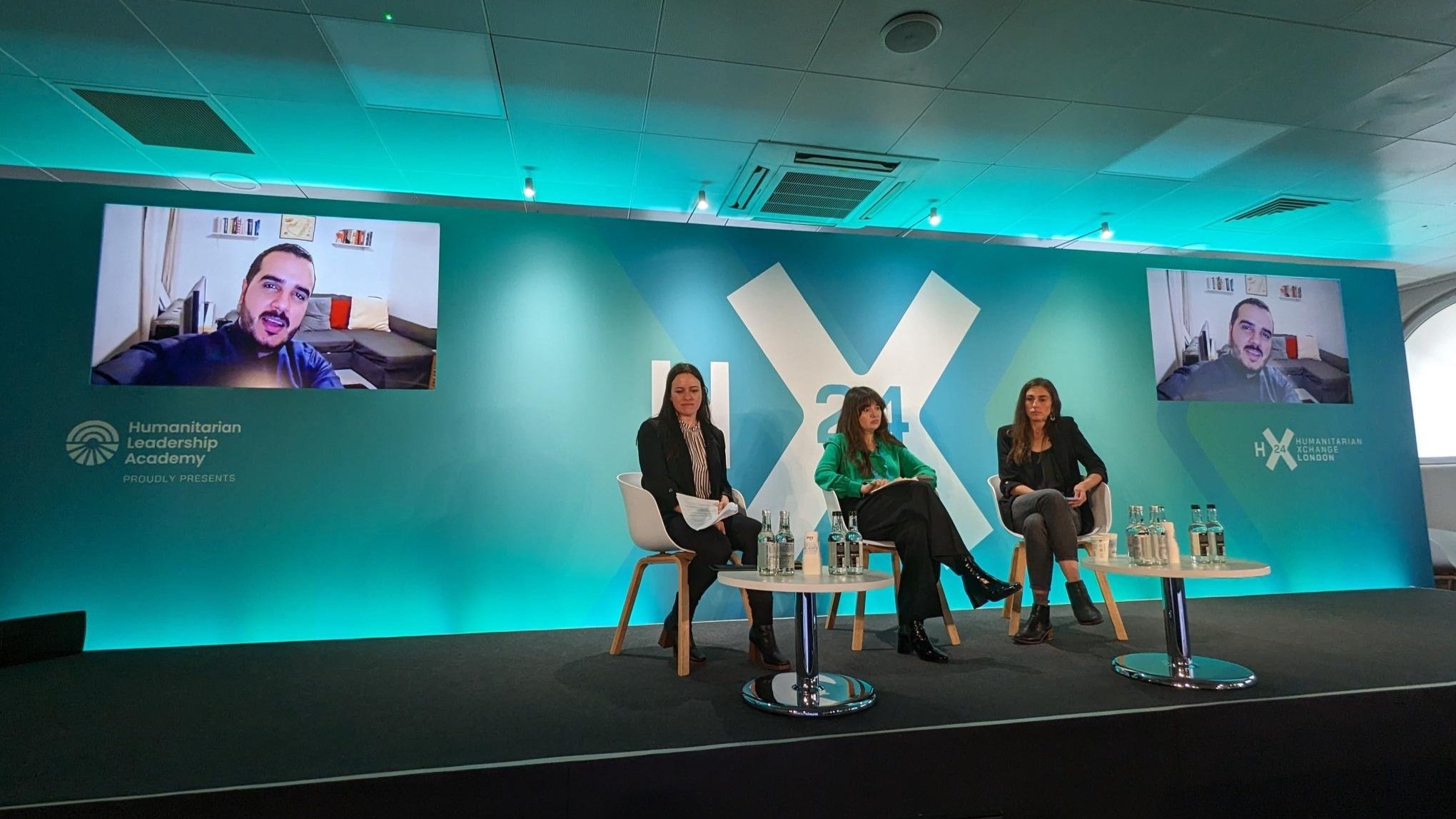
Video and key takeaways from CDAC Network’s panel at Humanitarian Xchange 2024, featuring Ahmed Al Khameri (Chemonics), Annie Slemrod (The New Humanitarian), Meg Sattler (Ground Truth Solutions) and Stijn Aelbers (Internews).
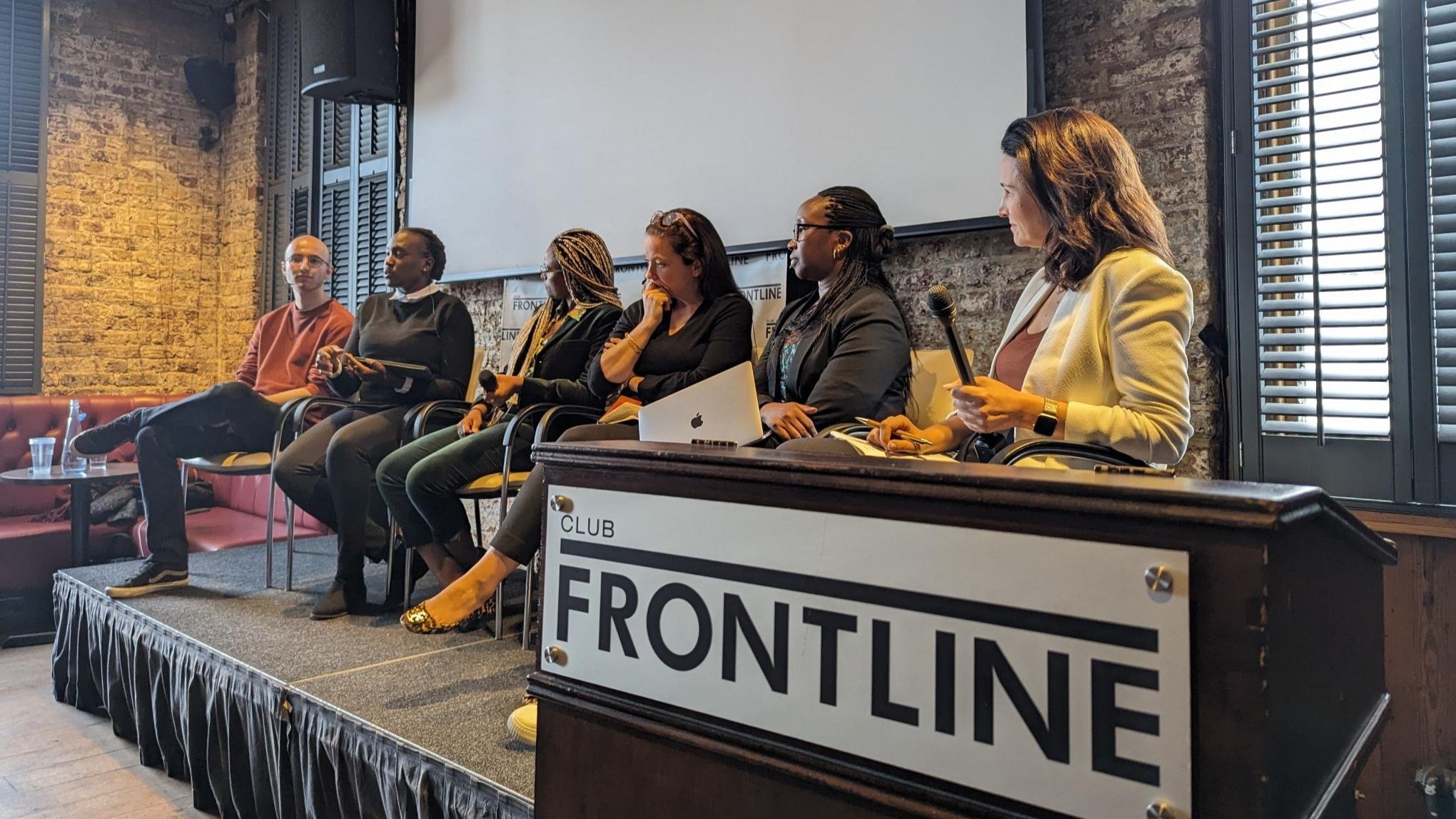
As part of The Alan Turing Institute’s AI UK Fringe in March 2024, CDAC Network hosted an event at London’s Frontline Club to ask: ‘Do we need a humanitarian manifesto for AI?’ Catch up on the videos and key takeaways here, including a keynote from Dr Abeba Birhane.

Register to join CDAC Network at the Alan Turing Institute's AI UK Fringe to discuss whether a humanitarian manifesto for artificial intelligence is needed, and how it could be informd by conflict- and crisis-affected communities.
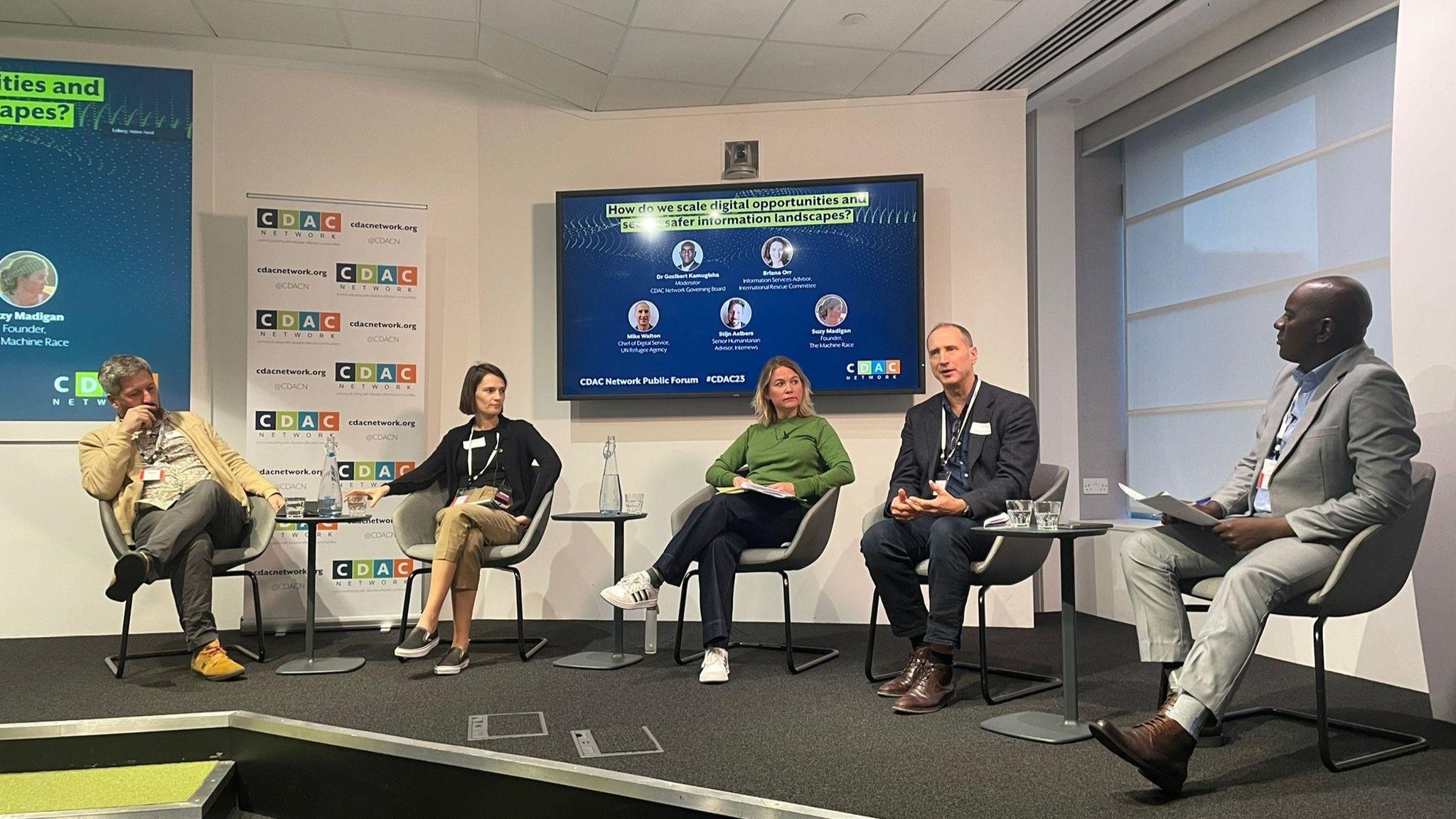
Seismic shifts in the digital landscape are reshaping the experience of communication in conflict across the world. What can build resilience to emerging threats to media freedom and trusted communication in conflict? And how can humanitarian principles inform sector take-up of emerging technologies such as AI?
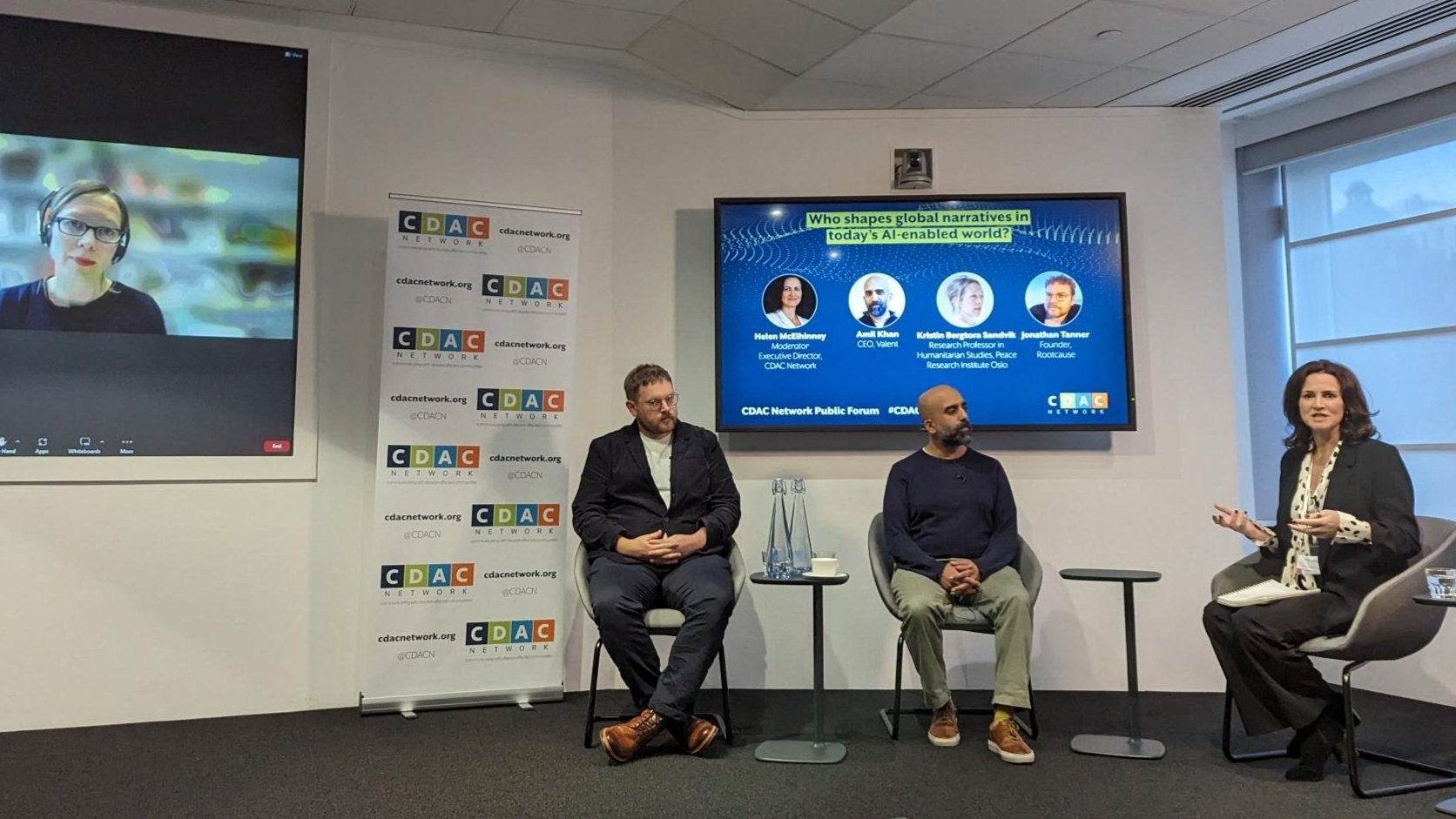
Artificial intelligence is rapidly becoming a critical factor in global governance, international relations and the information environment, and it is crucial that humanitarians understand its implications in conflict contexts. Listen to our Public Forum panel with Amil Khan, Jonathan Tanner and Kristin Bergtora Sandvik.
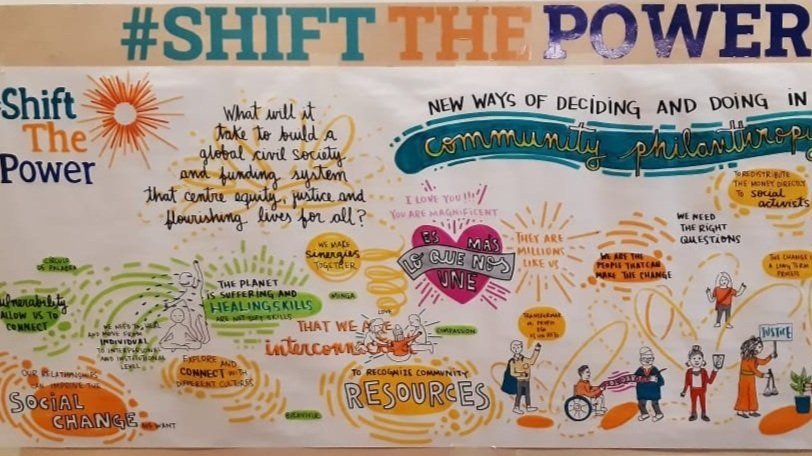
Following the 2023 #ShiftThePower Summit in Bogotá, we reflect on inclusion, decolonisation, solidarity, technology and how we tip the balance of power in humanitarian and development decision-making to communities.
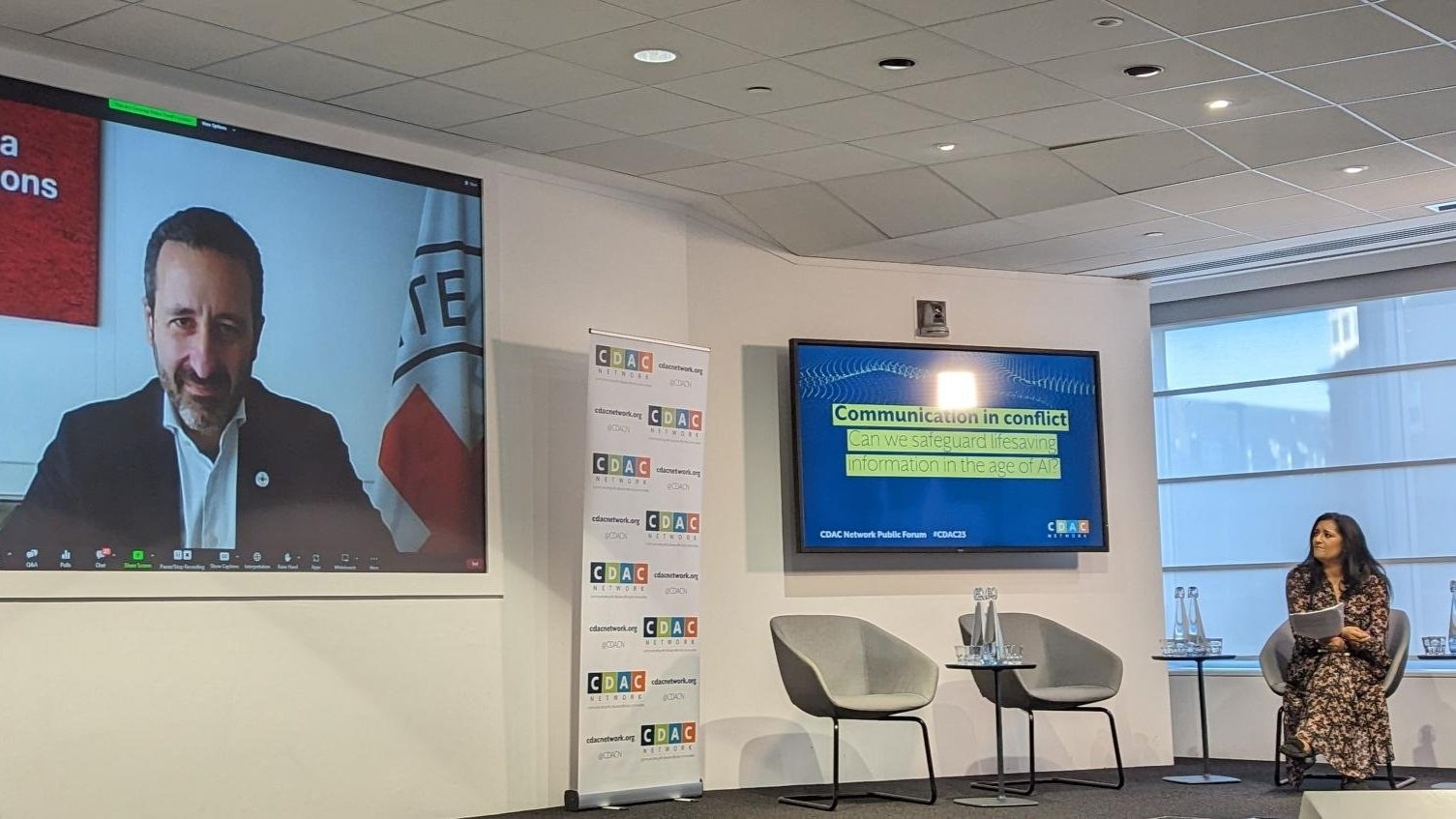
How are shifts in the digital landscape shaping modern conflict? What role do private tech companies have to play? And how should humanitarians respond? BBC News presenter Geeta Guru-Murthy put these questions to Robert Mardini, Director-General of the ICRCR, at the opening of CDAC Network’s 2023 Public Forum. Listen to their conversation here.
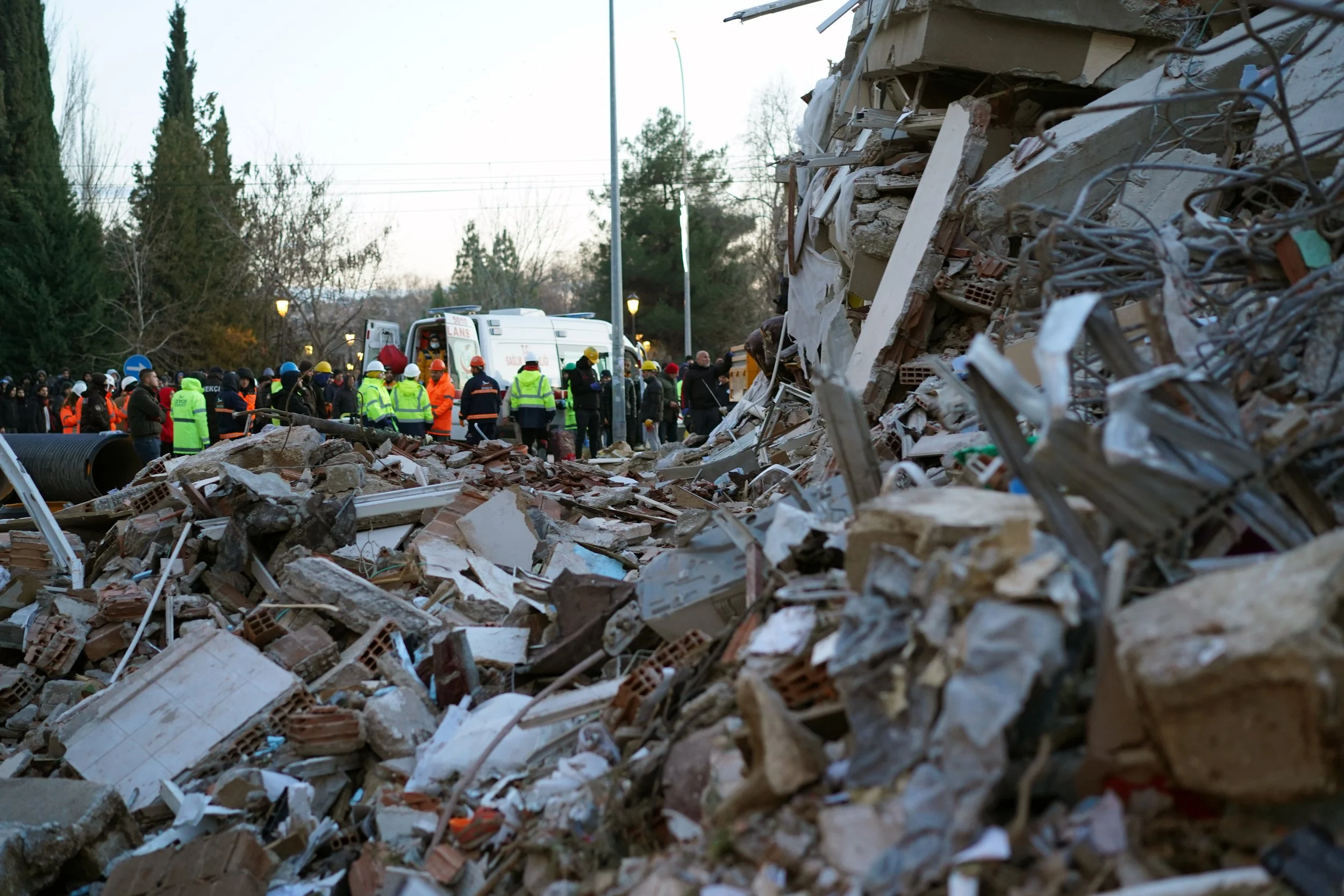
Key considerations to ensure everyone has access to timely, accurate and trusted information and two-way channels of engagement.
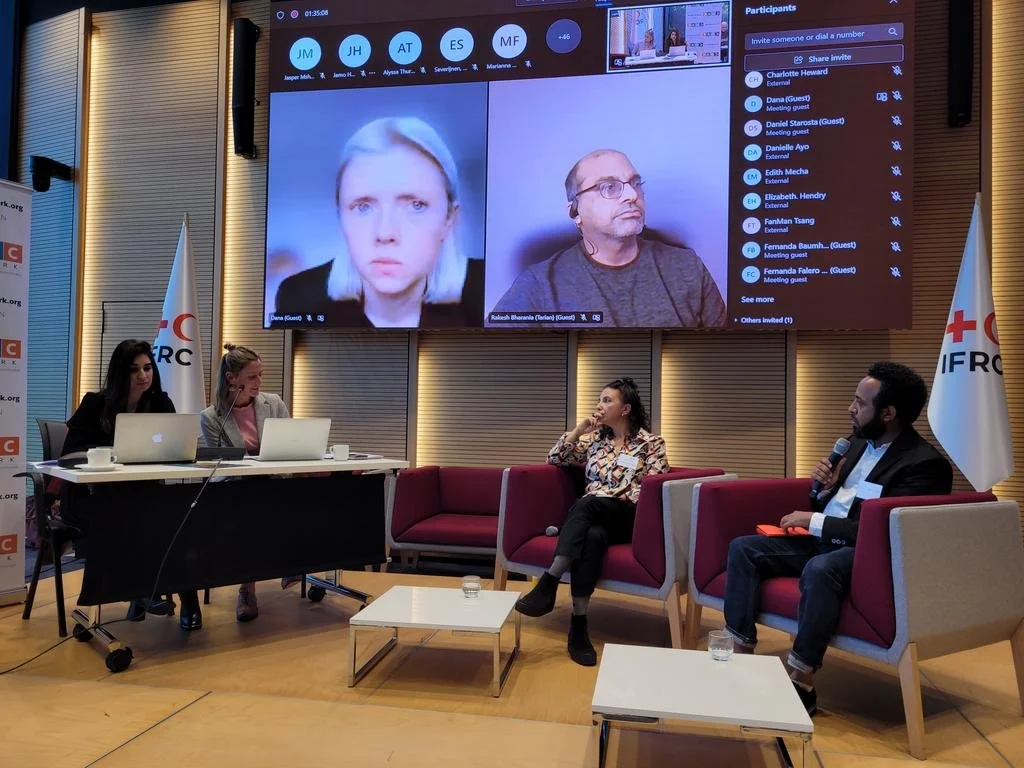
Key takeaways from the 2022 CDAC Network Public Forum on how diverse actors must work together to ensure that communication and engagement is fit for the future.

Trust in the media, fake news, the data privacy, localisation, reforming capitalism and the future of media development organisations
What does innovation mean? Is the current focus on innovation in the humanitarian sector helpful? And where does this leave ideas and solutions that come from the Global South?