
CDAC Network Community of Practice
AI governance
AI is already used across humanitarian response. It affects who receives aid, what information people see and how decisions about them are made. Most of these systems have no independent check on how they work or whom they affect.
CDAC Network convenes a Community of Practice on AI governance and crisis-affected communities. It is a forum for people who use, buy, build, fund or question AI in crisis settings. It is open to anyone working on these issues, including people outside CDAC membership.
Participants use the Community of Practice to: share practical experience of AI in humanitarian programmes, including what did not work; work through governance questions with peers, such as risk assessment, supplier due diligence and how to inform affected communities; test and give feedback on SAFE AI tools and guidance; build common positions for policy and donor discussions.
The Community of Practice connects directly to the SAFE AI Initiative, which CDAC Network stewards. SAFE AI (Standards and Assurance for Ethical AI) starts with humanitarian action. It gives organisations a common way to govern and document the AI they use, and to prepare for independent verification. It was developed with The Alan Turing Institute and Humanitarian AI Advisory, with founding investment from UK International Development from the UK government. The SAFE AI Framework and tools are published and free to use.
Both put community in the loop at every stage of the AI lifecycle. People affected by crisis have a say in how AI is designed, used and governed.
Community of Practice resources
-

The governance gap in humanitarian AI: addressing the structural gap between global frameworks and operational reality
The first instalment of the SAFE AI Framework
-
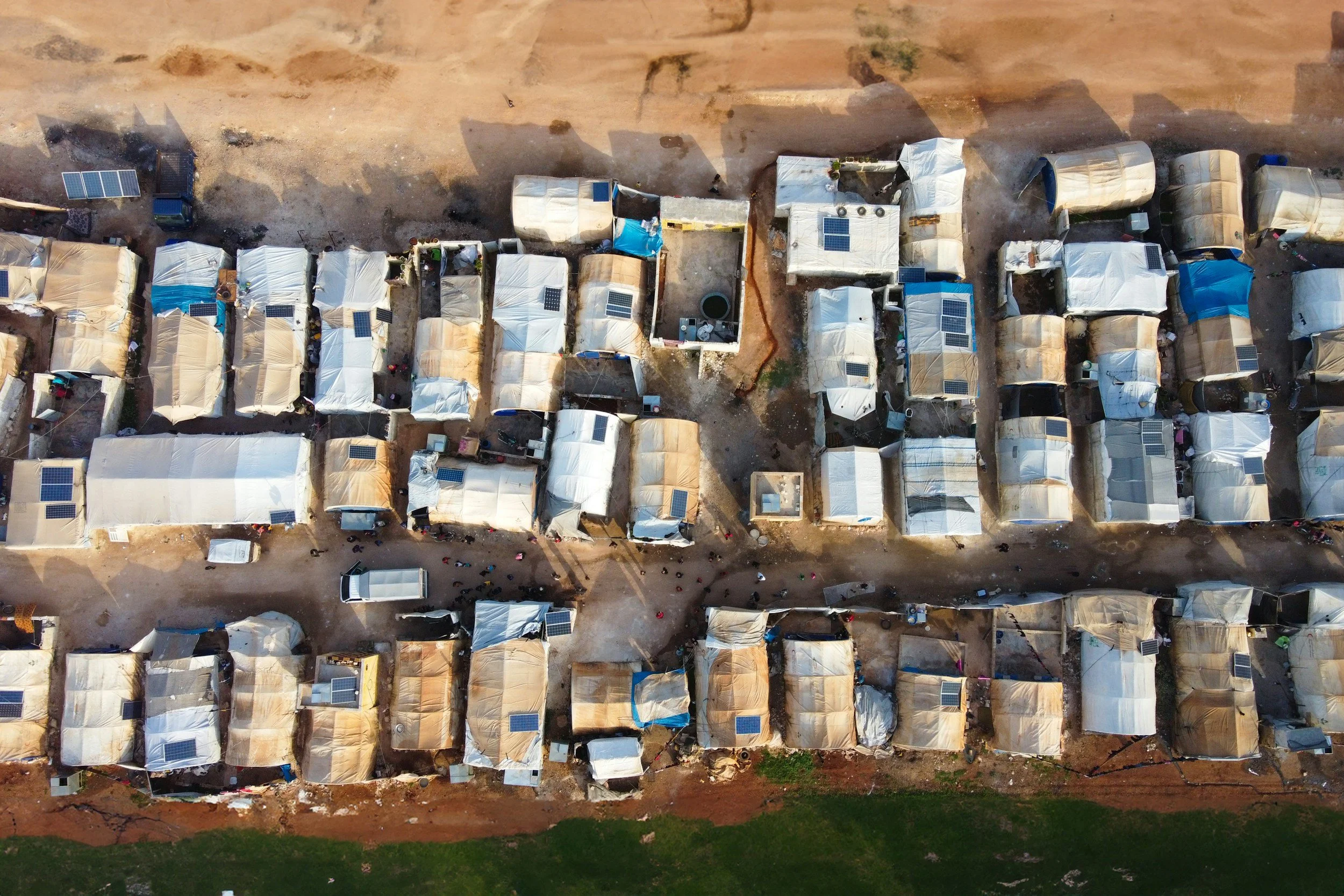
From experimentation to engagement: on the paradox of participatory AI and power in contexts of forced displacement and humanitarian crises
Paper by CDAC Network and colleagues submitted to ACM FAccT conference in 2025 and published on arXiv
-
Community in the loop: addressing power dynamics in participatory AI for crisis-affected communities
CDAC Network presentation at India’s 2026 PAIRS: Participatory AI Research & Practice Symposium
-

The signal code: a human rights approach to information during crisis
Study by the Signal Program on Human Security and Technology at the Harvard Humanitarian Initiative (HHI)
-

CDAC - MERL Tech event recap
Accountability in the age of humanitarian AI — A conversation hosted by the MERL Tech Initiative and CDAC Network
-

SAFE AI Framework
Humanitarian AI Glossary: build better, safer, and more effective partnerships.
-

SAFE AI Framework
Addressing power dynamics in participatory AI for crisis-affected communities
-
SAFE AI Framework
How-to note: Co-designing AI solutions with crisis-affected communities
-

SAFE AI Framework
Co-Design vs. User-Centred Design for AI Solutions
-

CLEAR Global
Guide: Co-creating digital tools with crisis-affected people
-

Save the Children
Harnessing Artificial Intelligence for Child Protection: An Ethical Roadmap?
-
Nesta, CDAC, DFS and HLA
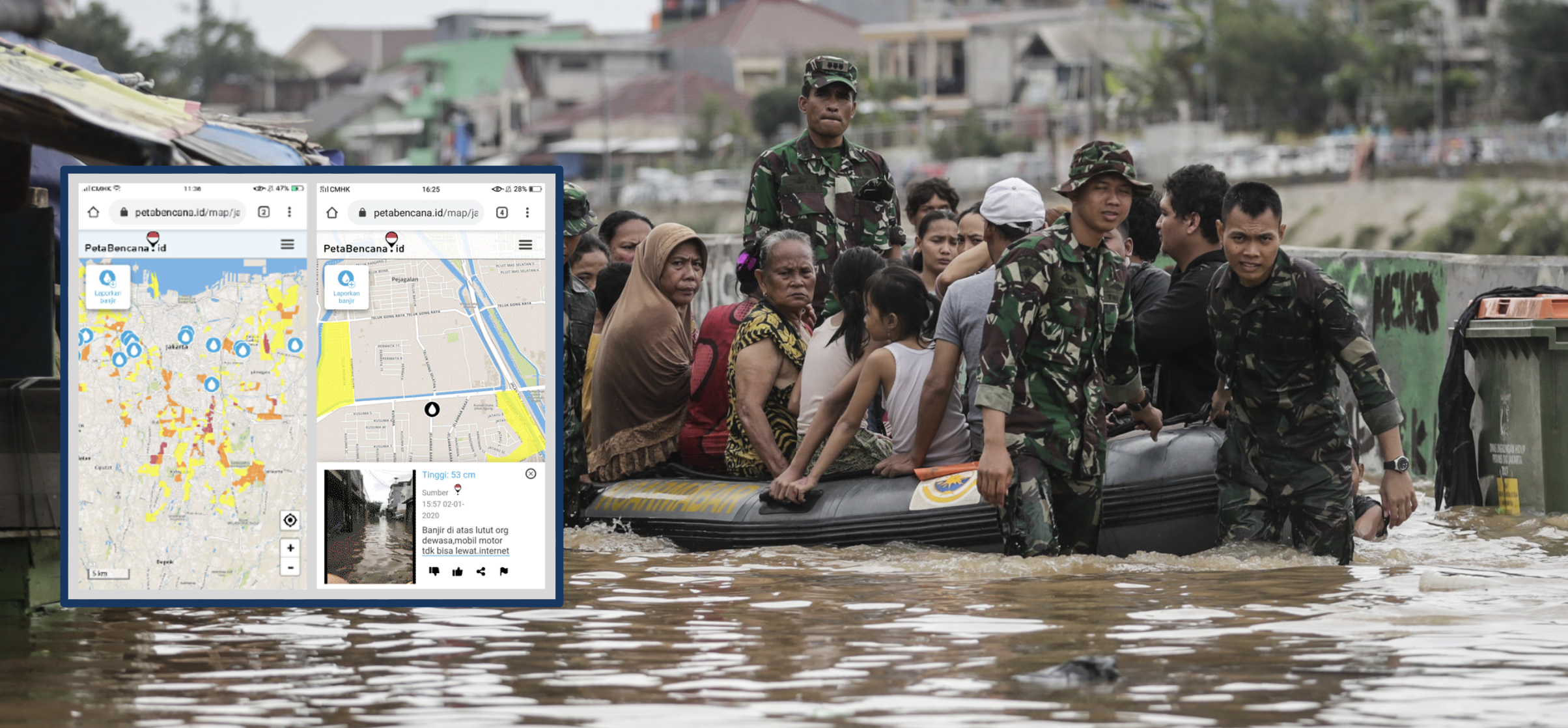
Online course: Community crisis intelligence: elevating community voices with AI
CDAC AI updates
-
![]()
Made for the feed: how AI slop reshapes what we know
-
![]()
The infrastructure of trust: AI, information integrity and accountability in crisis
-
![]()
Why we urgently need a humanitarian manifesto for AI
-
![]()
The clock is ticking to build guardrails into humanitarian AI – CDAC article for The New Humanitarian
-
![]()
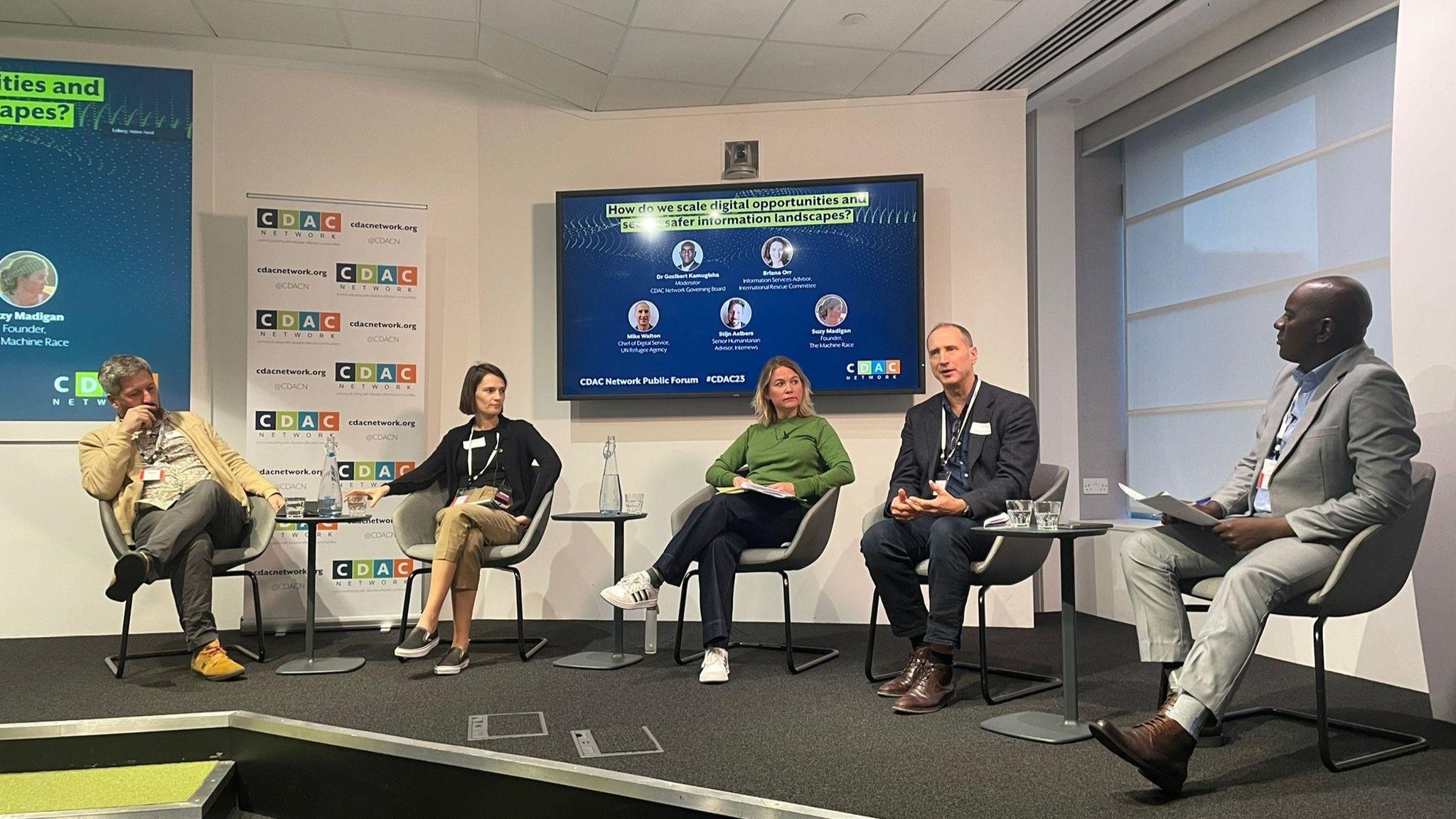
In the age of AI, how do we scale digital opportunities and secure safer information landscapes for people caught in conflict?
-
![]()
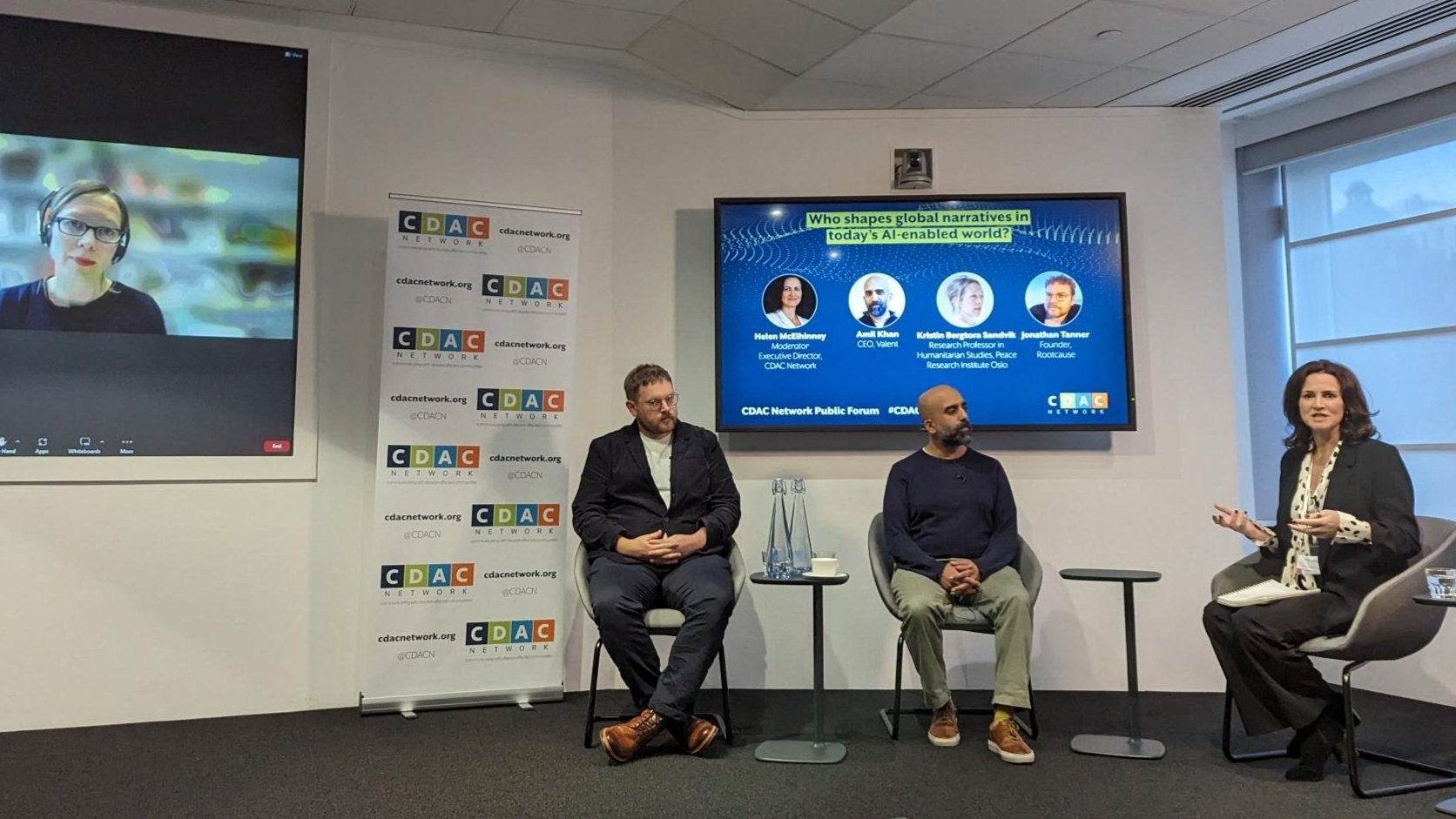
Who shapes global narratives in today’s AI-enabled world – and what do conflict-affected communities and humanitarians need to know?
-
![]()
The digital frontier: ICRC’s Director-General on the information landscape in conflict
-
![]()
Start ups, trust and letting go: technology and power in aid
-
![]()
Algorithmic injustice: a relational ethics approach – from CDAC keynote Dr Abeba Birhane
-
![]()
Artificial intelligence and machine learning in armed conflict: a human-centred approach – from CDAC member ICRC
-
![]()
Language AI for social impact: a playbook on how to use language technology for community engagement – from CDAC member CLEAR Global
-
![]()
International humanitarian law and policy on techplomacy – from CDAC member ICRC
-
![]()
The AI digital divide: an African perspective – from CDAC member Internews
-
![]()
Public interest infrastructure – from CDAC member International Media Support
-
![]()
Harnessing AI for child protection: an ethical roadmap? – from CDAC member Save the Children
-
![]()
Reframing AI governance through a political economy lens – from CDAC member WACC
-
![]()
Humanitarian AI revisited: seizing the potential and sidestepping the pitfalls – from expert Sarah Spencer
-
![]()
Massive open online course (MOOC): Humanitarian action in the digital age
-
![]()
A framework for the ethical use of advanced data science methods in the humanitarian sector – Data Science & Ethics Group
-
![]()
Podcast on the complex relationship between AI and humanitarian aid – from expert Sarah Spencer
-
![]()
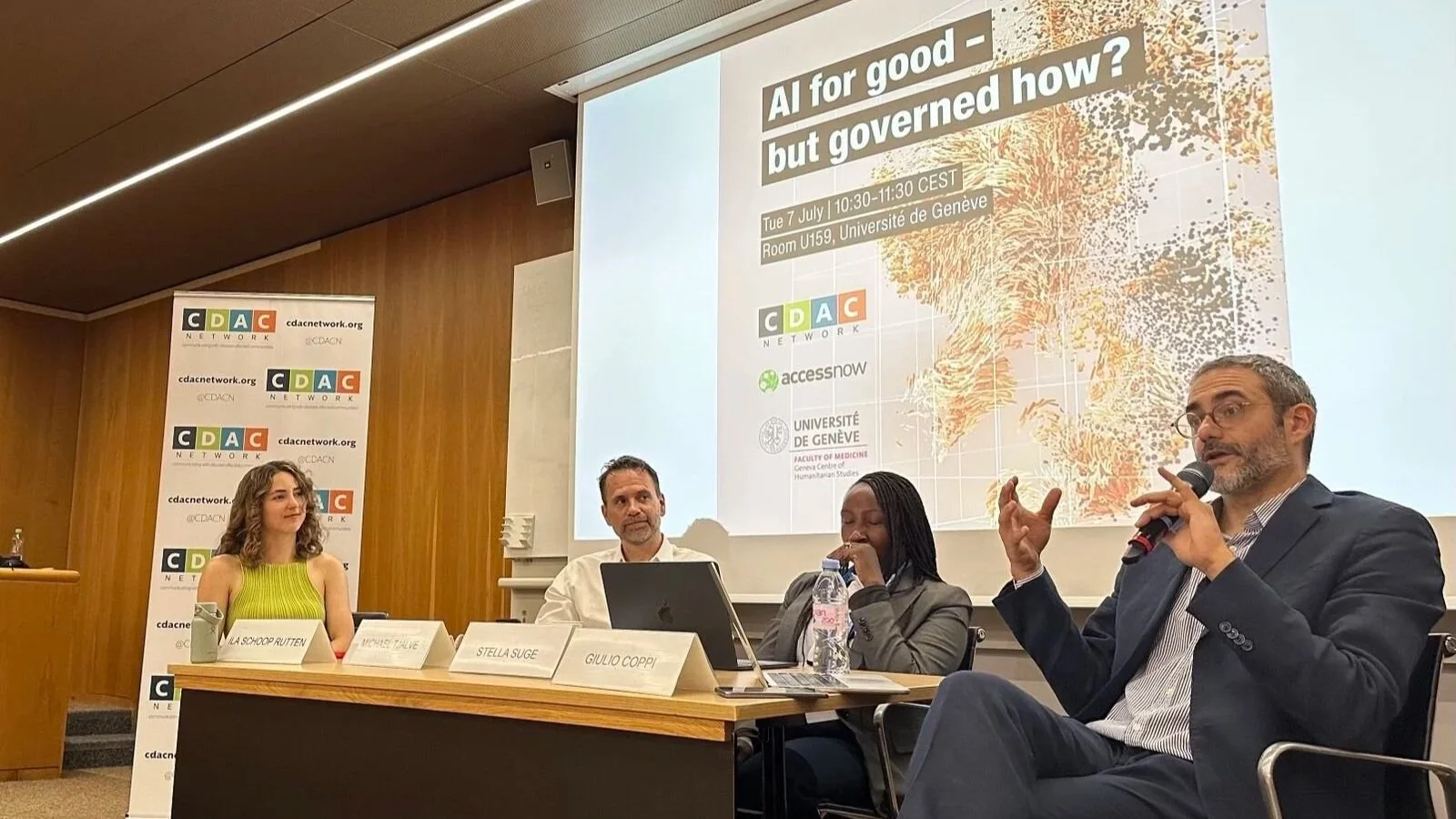
Governance, procurement and the frontline: seven takeaways on humanitarian AI from Geneva















Community of Practice meetings
-
Our next session
6 October 2026 14:00 London time
CLEAR Global will share new guidance on how crisis-affected communities can hold organisations accountable for their use of digital technology. We will also discuss the growing interest from members and others in using SAFE AI to put responsible AI into practice. One message from our recent Governance Gap work is that organisations can start without specialist AI teams or complex governance systems. At its simplest, good practice means three things: knowing who is responsible, being able to follow how a decision was reached, and being transparent when the agreed process changes.
-
Previous 2026 sessions
26 February
23 April
2 July
23 July
Join our community
To join CDAC’s SAFE AI Community of Practice, you must work for a CDAC Network member organisation. Please get in touch by filling in the form or contacting info@cdacnetwork.org.
To contribute a CDAC member organisation’s resource to our AI portal, contact info@cdacnetwork.org.