CDAC Network Community of Practice
Communication, community engagement, participation and accountability (CCEA)
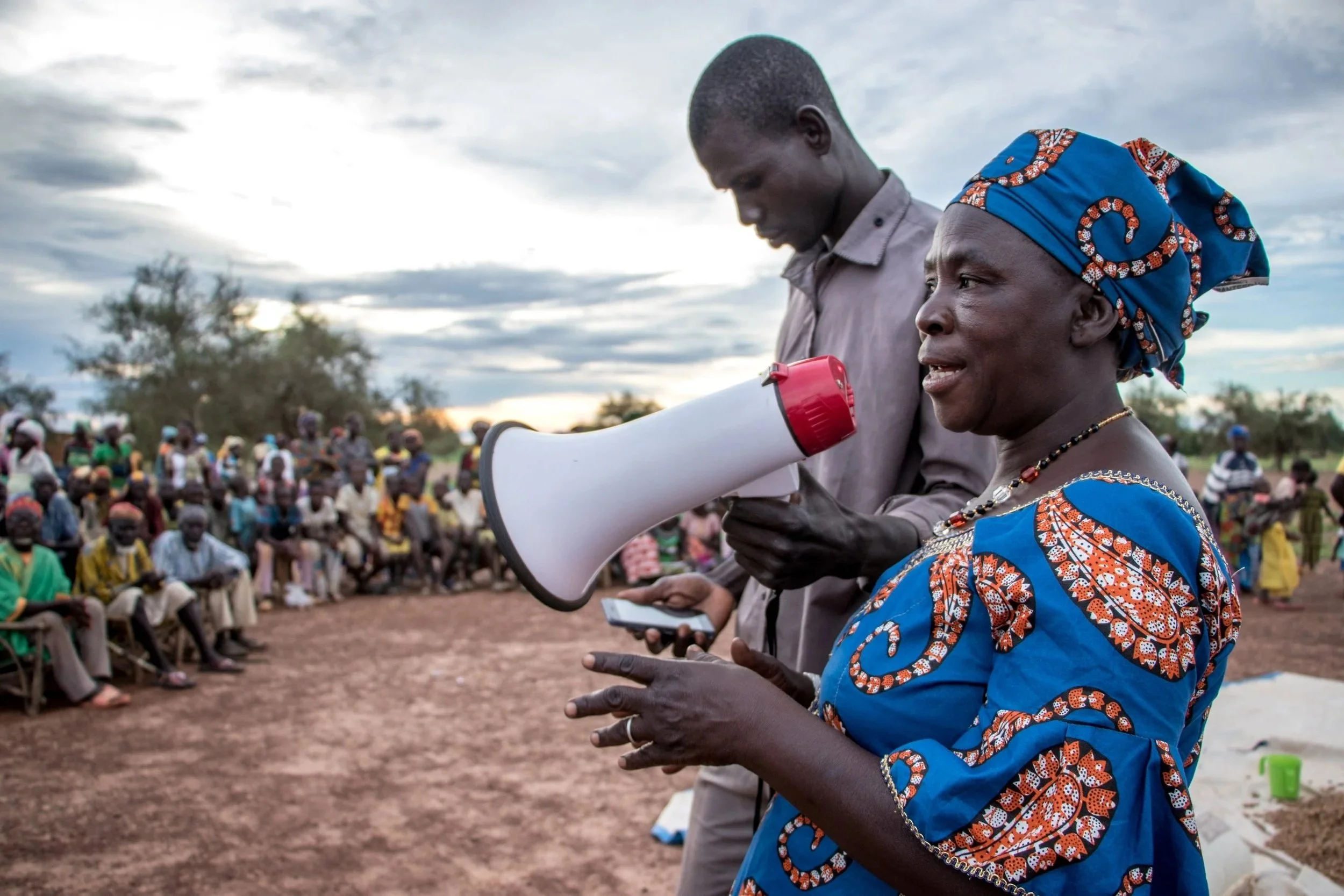
In CDAC’s 2025 Strategy Refresh, we reinforced our commitment to the foundation block of our existence – to ensure communities affected by crisis can meaningfully influence decisions about aid. CDAC Network offers members access to a Community of Practice to foster learning, support and collaboration to push for an aid sector that prioritises communication, community engagement, participation and accountability.
Together, our Community of Practice enables us to share expertise and enhance our collective efforts to champion approaches that empower people to communicate their needs and participate in decision-making.
To join the CCEA Community of Practice, contact info@cdacnetwork.org.
This how-to note from the SAFE AI Project provides practical guidance for co-designing AI solutions with crisis-affected communities – bridging the divide between humanitarian and technological co-design practices. It aims to improve the delivery of responsible and ethical AI solutions in humanitarian contexts.

This case study from the SAFE AI Project examines real-world challenges in implementing participatory AI through a groundbreaking pilot in Kakuma Refugee Camp and Kalobeyei Settlement.

This factsheet from the FCDO-funded SAFE AI Project provides practical guidance for humanitarians working with AI to understand two different approaches to participation in AI development.

Avaliable in English and Swahili, this guide provides a snapshot of the media environment in Kenya, including digital and social media, radio, television, print and other traditional forms of mass communication. The aim is to facilitate reliable, trusted and timely communication, particularly during crises, and to promote a healthy information environment in Kenya.
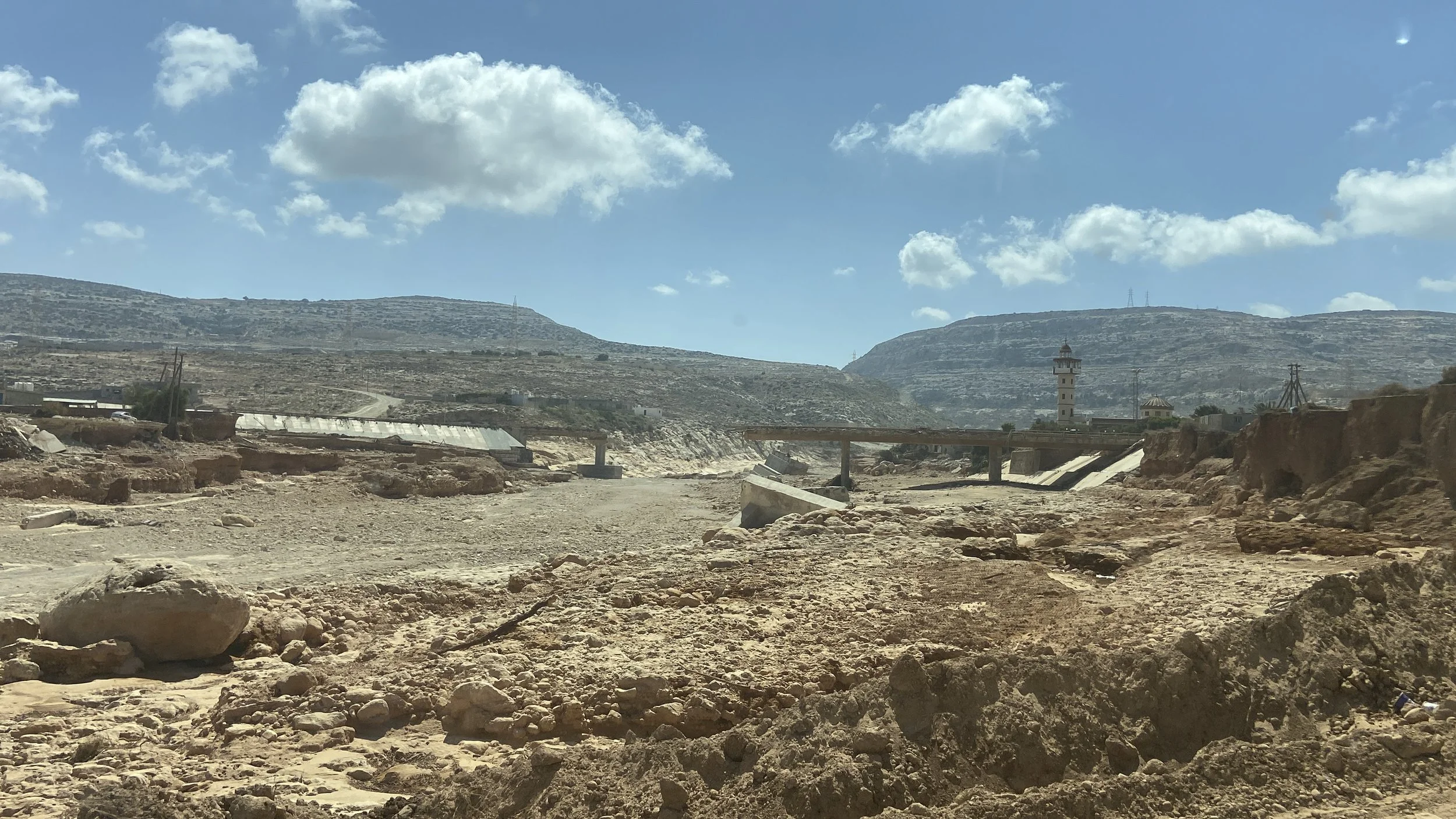
As aid actors transition to an early recovery response in Libya, prioritising clear communication with communities will be crucial. Two bulletins provide a round-up of social media listening, media analytics and resources for practitioners; and recommendations for strengthening communication and community engagement in the response.
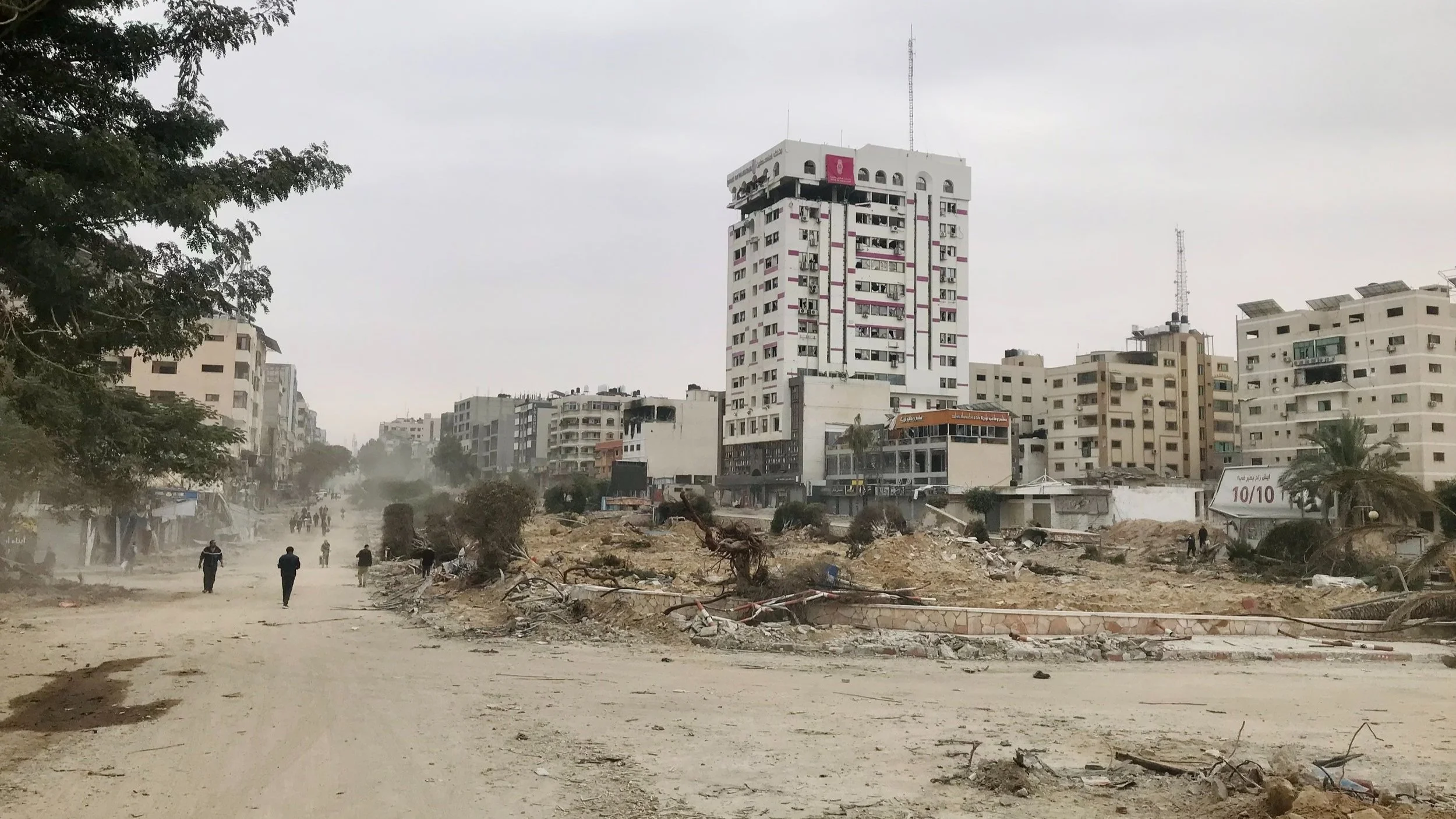
As communications blackouts continue to cut Gaza off from access to information and connectivity, CDAC Network issues an urgent call to let Gazans speak, connect with one another and make informed decisions.

Outcomes of the high-level meeting to discuss elevating collective CCEA in the regional Sudan conflict response, focusing on two priority areas: strengthening collective CCEA and increasing investment in CCEA led by diverse and local response actors.

Information will play a life-saving role in the critical days after the earthquake in Morocco. This brief recommends areas of focus to prioritise effective communication, community engagement and accountability in the response.
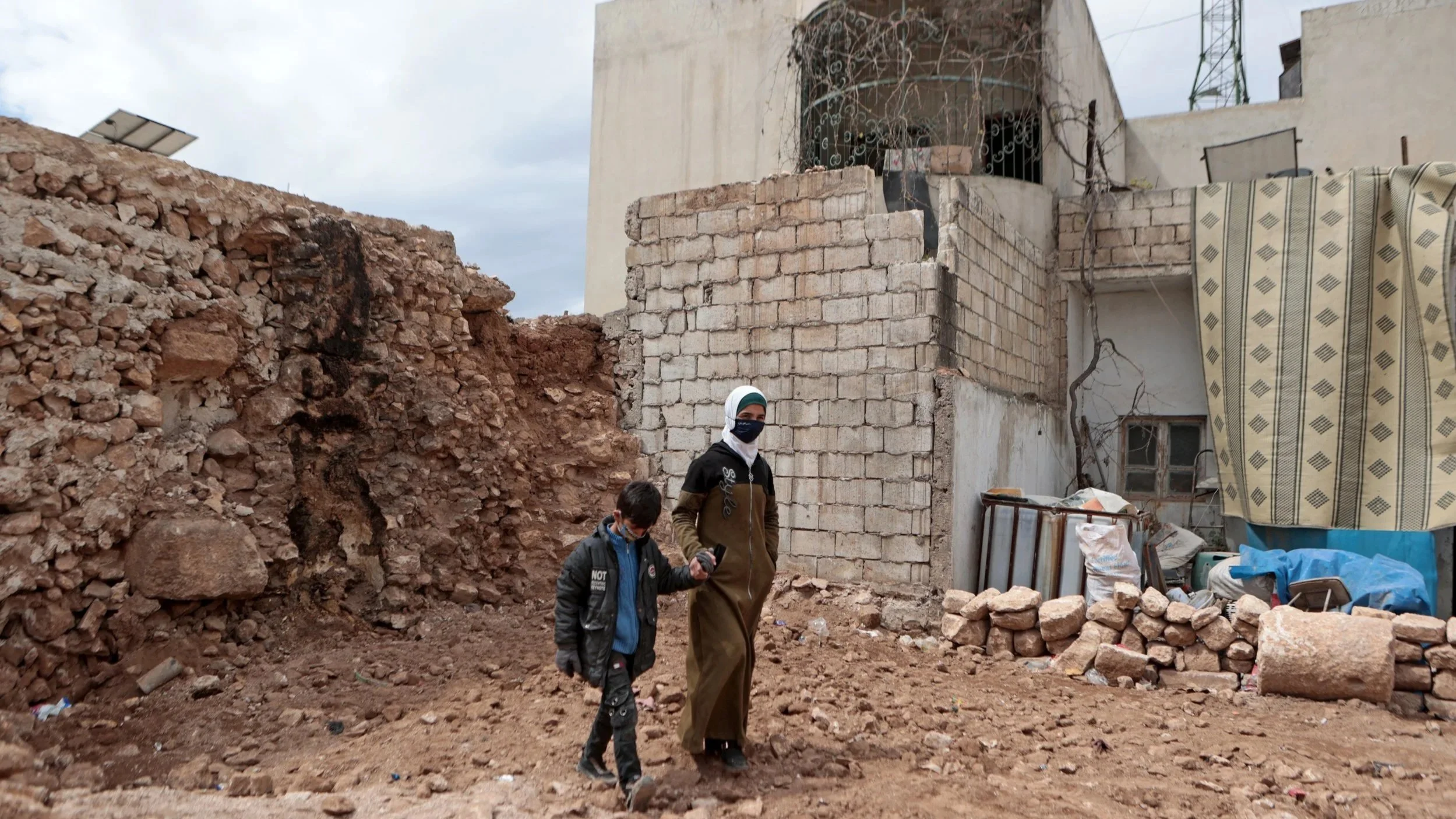
This report presents findings from a study aiming to understand the information ecosystem in northwest Syria, where communication and engagement occur in a sensitive and highly politicised environment.
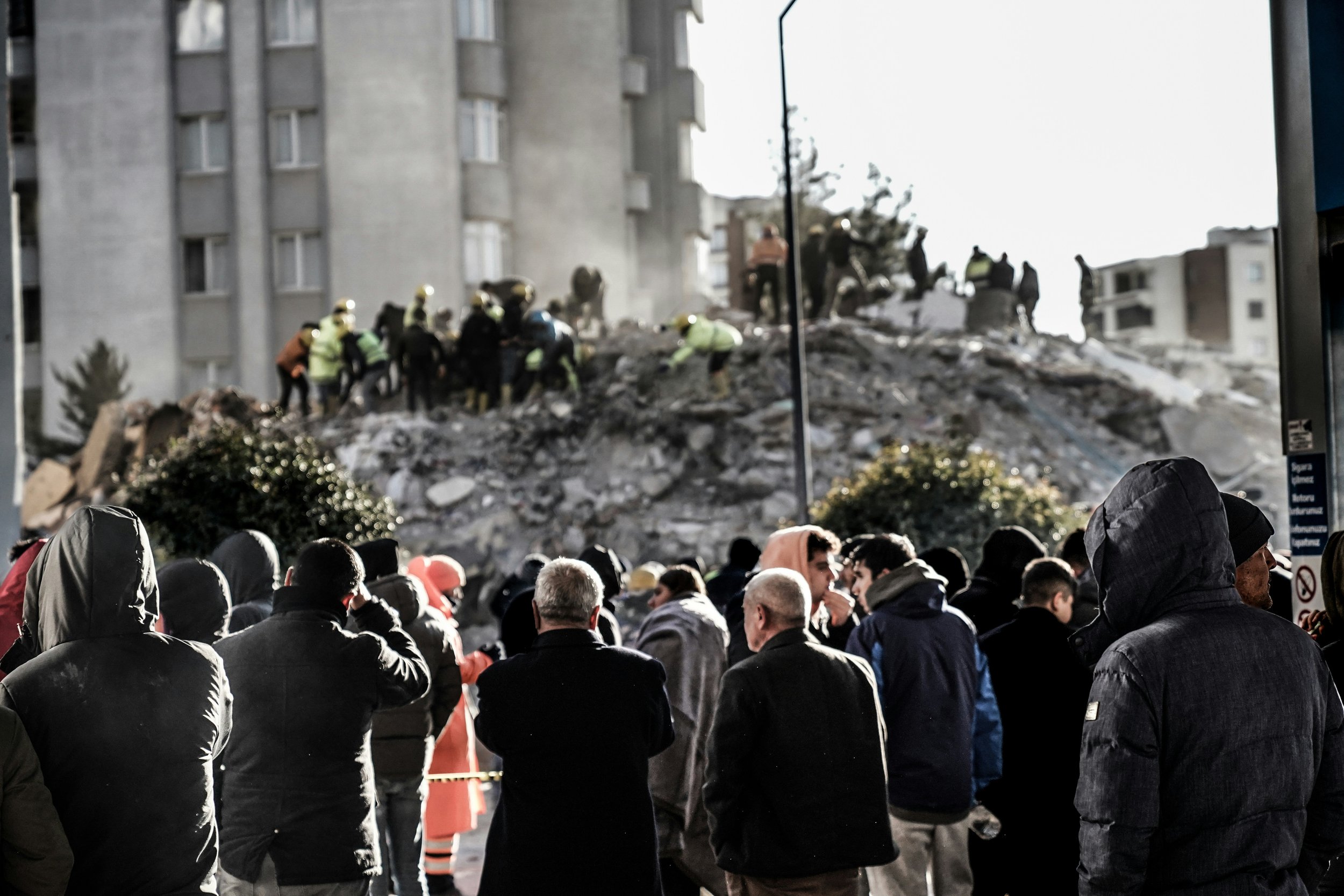
This report presents findings from a study aiming to understand the information flows and communication ecosystem in post-earthquake Türkiye. The findings are intended to facilitate informed, inclusive and accountable response and recovery planning to meet the needs of affected people.

On 26 July 2023, a military junta seized power in Niger with a coup d’état, drawing global condemnation. As the situation continues to unfold, this brief recommends key considerations and priorities for responders to meet the growing communication and engagement needs of affected people.

In the face of severe funding gaps that are challenging the capacity of humanitarian actors to respond to increasing needs in Sudan, CDAC Network and in-country leadership call for decision-makers and practitioners to mobilise around four priority actions for effective communication, engagement and accountability.
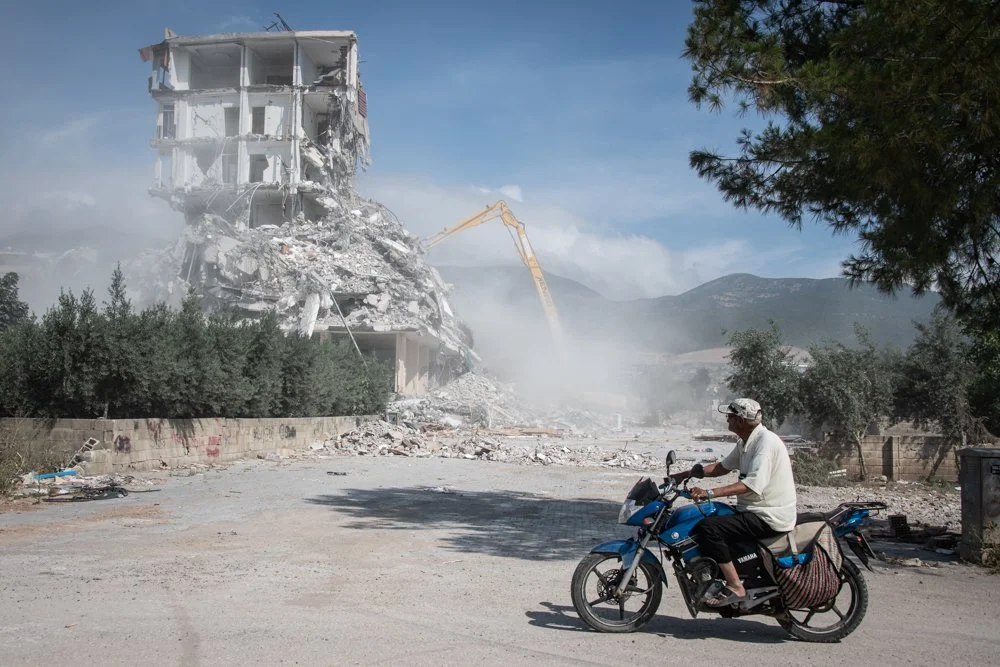
This brief presents key lessons and recommendations to ensure robust communication, community engagement and accountability efforts to meet the needs of affected people in Türkiye and Syria, six months on from the earthquakes.

This report provides a snapshot of the current CCEA activities being provided in Ukraine and border countries. It also outlines recommendations for practitioners and responders to improve the use of CCEA for those affected by the crisis.

Spotlighting key challenges and opportunities for collective approaches to accelerate communication, community engagement and accountability in the Horn of Africa drought response.
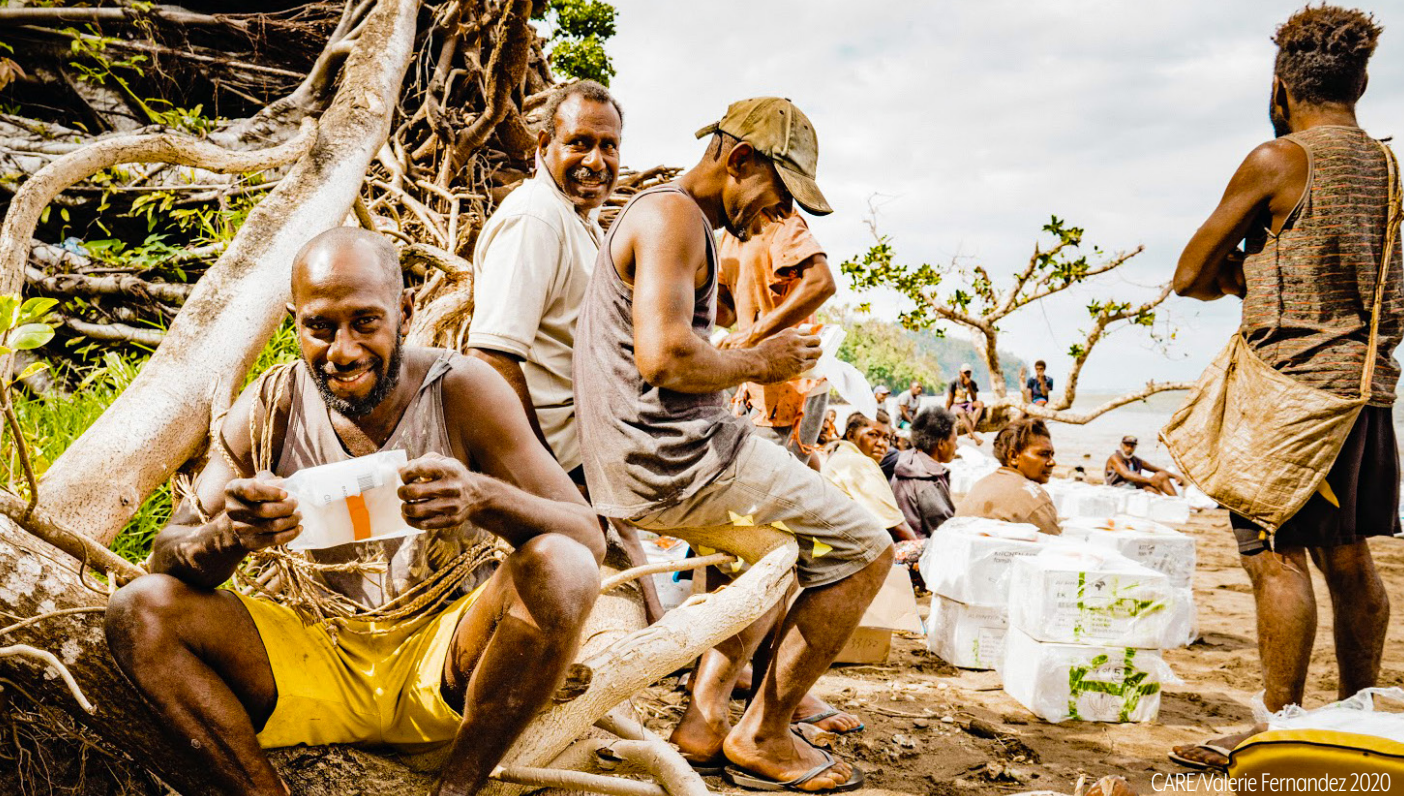
Sharing experiences from establishing a government-led communication and community engagement platform for disaster preparedness and response in Vanuatu.

This case study shares experiences from establishing a multi-stakeholder platform to embed advanced two-way communication capabilities in Fiji’s national disaster response system.

CDAC Network calls for all humanitarian actors in the Horn of Africa response to ‘work with what we have’ – including existing local structures, initiatives and partnerships – to drive inclusive and quality communication, community engagement and accountability.

Introductory tools and guidance for communication as aid – in Romanian.

Practical guidance on how information management associated with communication, engagement and accountability activities can support humanitarian action.
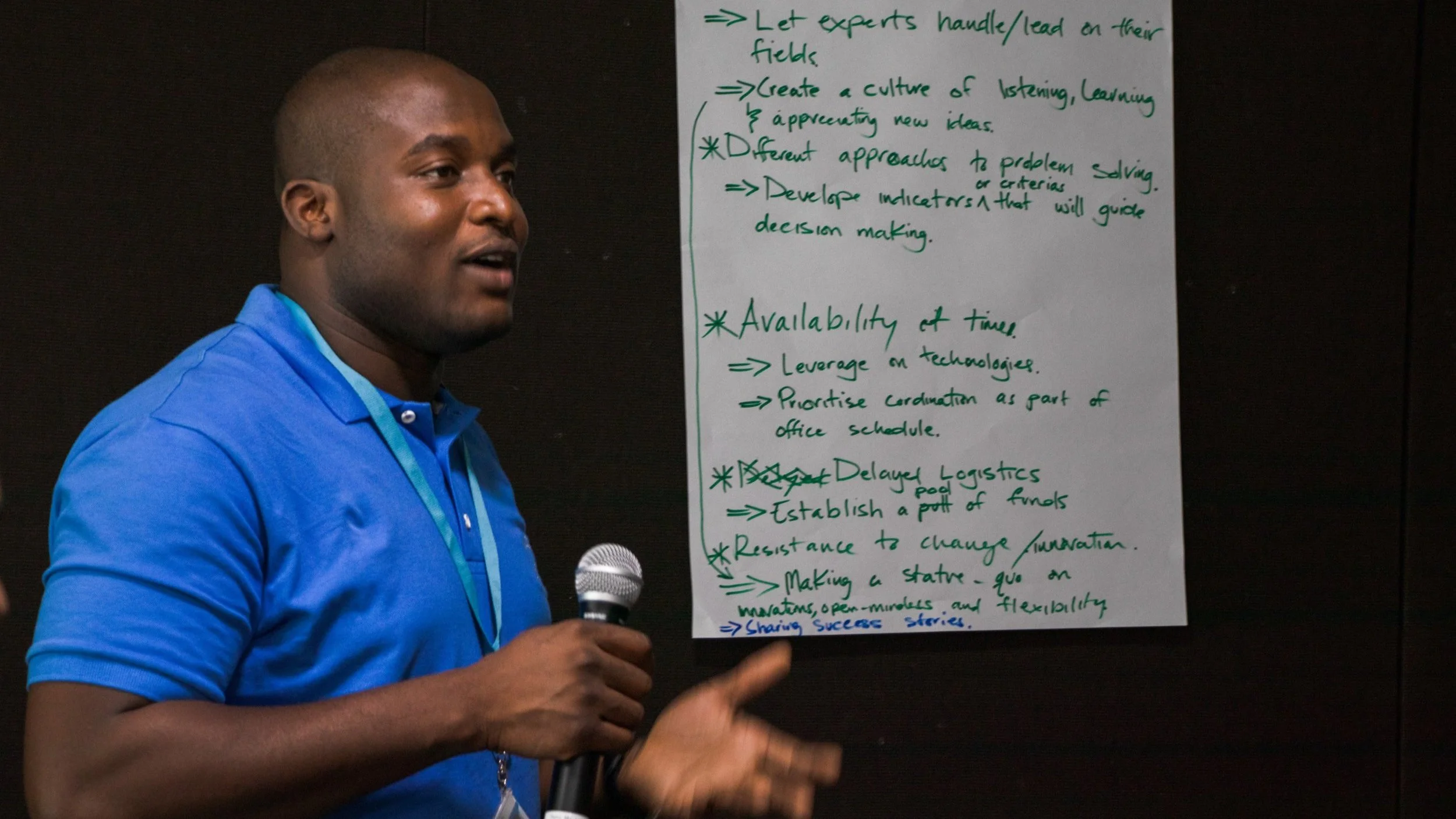
Key learning outcomes from a training workshop for managers and programme leads on communication, community engagement and accountability in Papua New Guinea.

This briefing note outlines key lessons on communication, community engagement and accountability from past flood emergencies in Pakistan, along with recommendations for the 2022 response.

This paper captures key learnings from a project to establish communication and community engagement platforms for disaster preparedness and response in Fiji and Vanuatu, as well as insights for scaling this type of CCE work and making it sustainable.

This framework helps decision-makers to identify and source required surge support to ensure appropriate capacity at country level to deliver CCE/AAP across humanitarian response.

This scoping study on the status of CCEA towards affected populations in Papua New Guinea provides recommendations for a strengthened and more inclusive CCEA system.

Common advocacy statements in support of CDAC Network’s vision: that communities will have the information and resources they need to determine their own solutions and be central stakeholders in humanitarian and development decision-making.

This study sought to identify changes to the communication, community engagement and accountability (CCEA) landscape as a result of the COVID-19 pandemic. Five key trends were identified and recommendations offered for forward planning.
CCEA resources
Join our community
To join CDAC’s CCEA community of practice, get in touch by filling in the form or contacting info@cdacnetwork.org.
To contribute a resource to our CCEA portal, contact info@cdacnetwork.org.