
Advocacy & evidence
CDAC Network champions the importance of community participation in humanitarian decision-making by advocating for communication and engagement as core components across humanitarian response. On behalf of our members, we work with governments and global forums to influence policy and amplify community voices.
Our collective advocacy is backed by evidence that shows how communication and engagement make aid more sustainable, effective and inclusive.
Our advocacy
We leverage the collective clout of our Network to advocate for communication and community engagement to be a central, consistent and well-funded foundation of disaster preparedness, response and recovery.
At the national level, we work with governments to ensure communities are at the heart of national disaster management planning, in line with global commitments such as the Sustainable Development Goals and the Sendai Framework.
Internationally, we influence humanitarian policy through engagement on behalf of our members with key forums such as the Inter-Agency Standing Committee Results Groups and the Emergency Telecommunications Cluster.
Read more: our policy briefs & advocacy messages
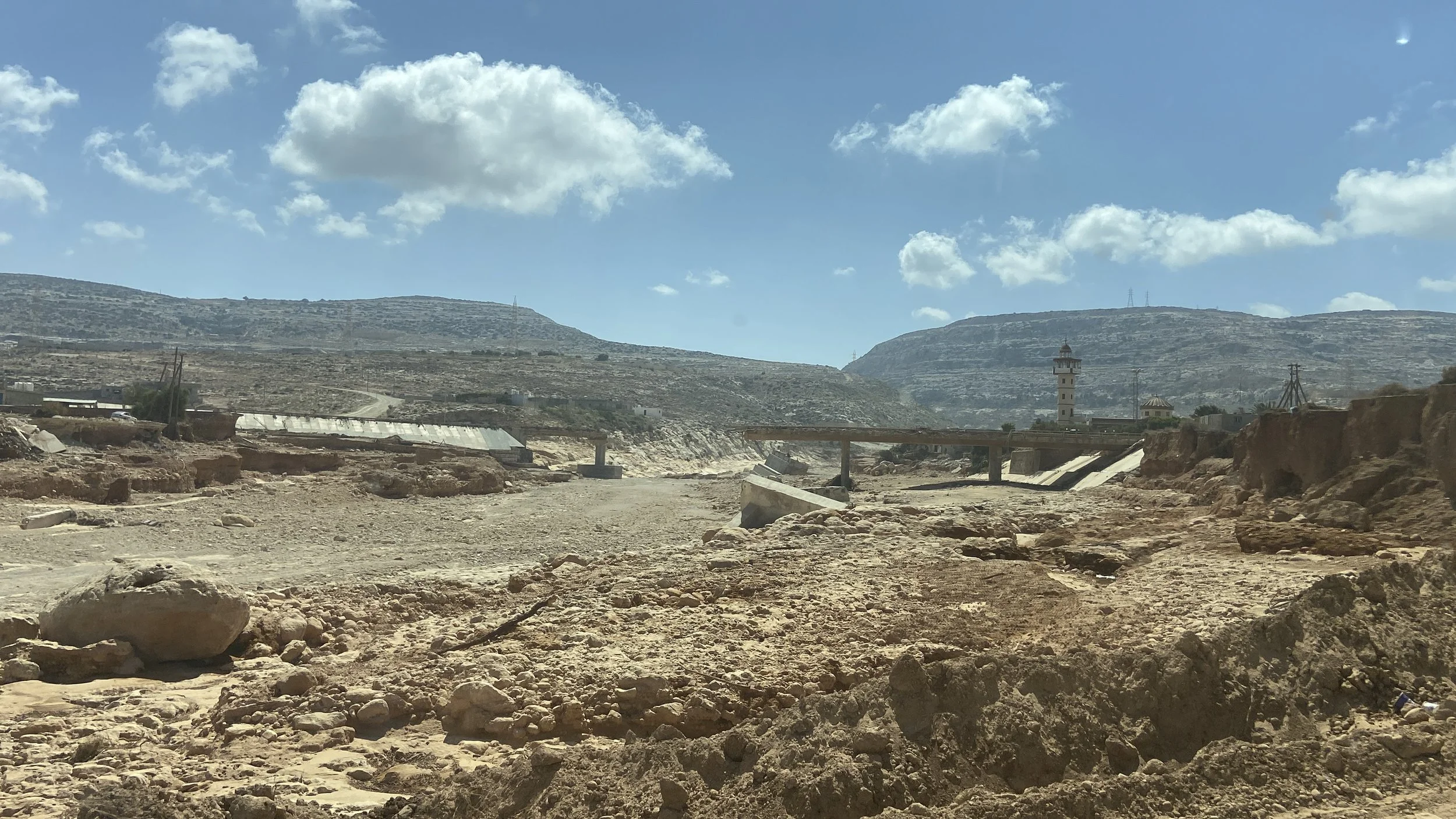
As aid actors transition to an early recovery response in Libya, prioritising clear communication with communities will be crucial. Two bulletins provide a round-up of social media listening, media analytics and resources for practitioners; and recommendations for strengthening communication and community engagement in the response.
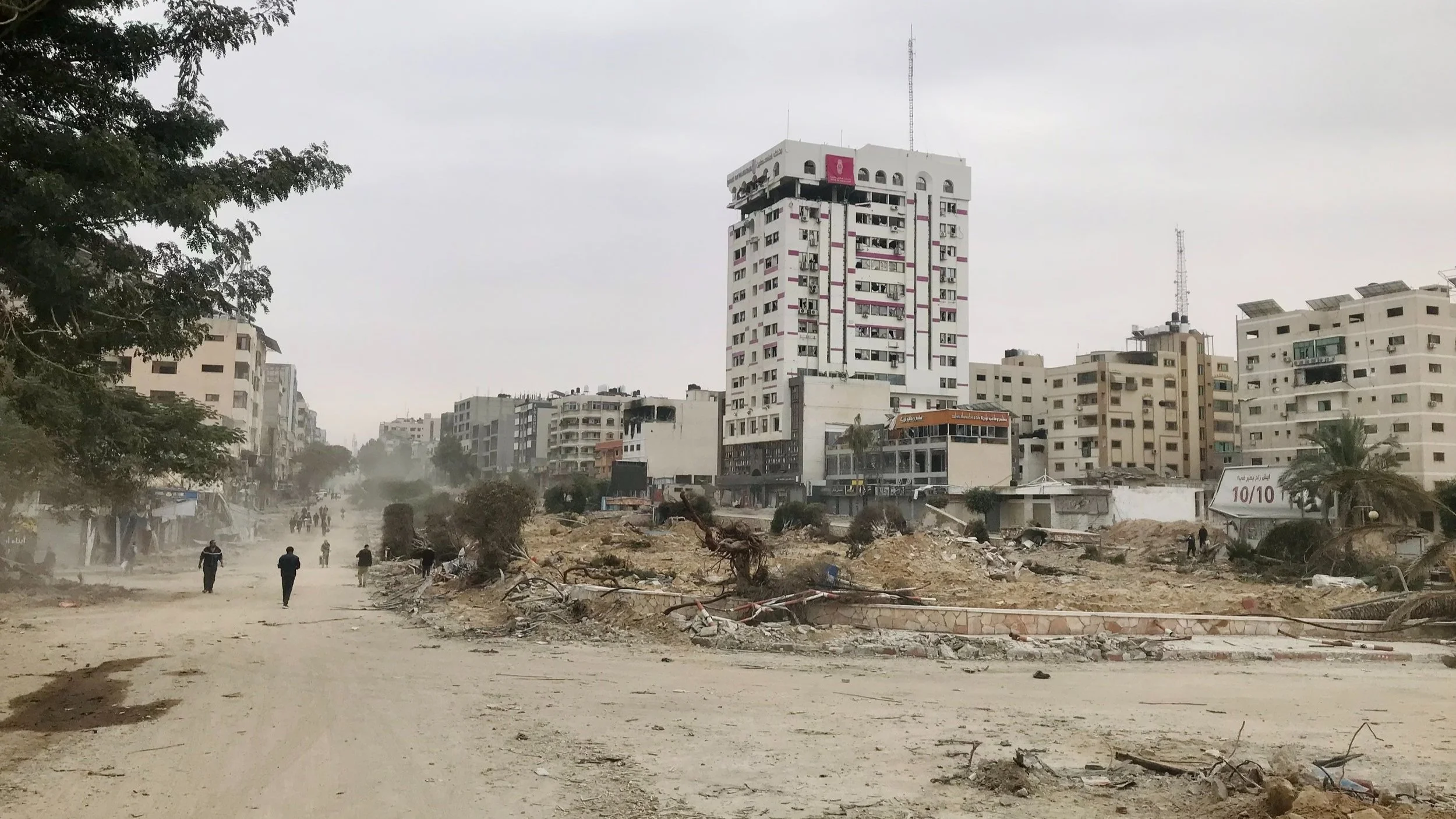
As communications blackouts continue to cut Gaza off from access to information and connectivity, CDAC Network issues an urgent call to let Gazans speak, connect with one another and make informed decisions.

Outcomes of the high-level meeting to discuss elevating collective CCEA in the regional Sudan conflict response, focusing on two priority areas: strengthening collective CCEA and increasing investment in CCEA led by diverse and local response actors.

Information will play a life-saving role in the critical days after the earthquake in Morocco. This brief recommends areas of focus to prioritise effective communication, community engagement and accountability in the response.

On 26 July 2023, a military junta seized power in Niger with a coup d’état, drawing global condemnation. As the situation continues to unfold, this brief recommends key considerations and priorities for responders to meet the growing communication and engagement needs of affected people.

In the face of severe funding gaps that are challenging the capacity of humanitarian actors to respond to increasing needs in Sudan, CDAC Network and in-country leadership call for decision-makers and practitioners to mobilise around four priority actions for effective communication, engagement and accountability.
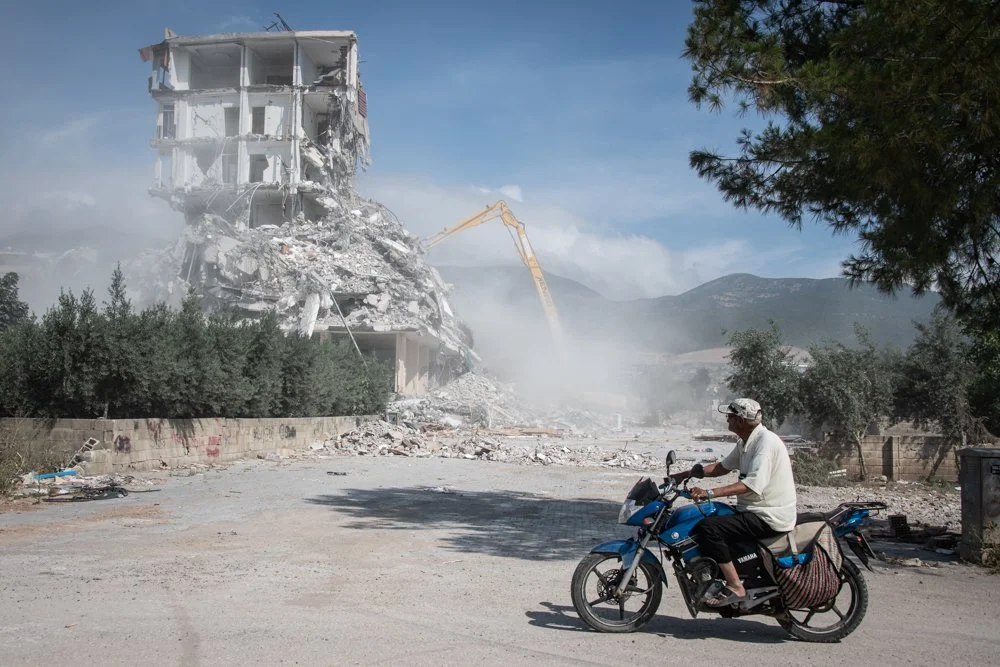
This brief presents key lessons and recommendations to ensure robust communication, community engagement and accountability efforts to meet the needs of affected people in Türkiye and Syria, six months on from the earthquakes.

This briefing note outlines key lessons on communication, community engagement and accountability from past flood emergencies in Pakistan, along with recommendations for the 2022 response.

Common advocacy statements in support of CDAC Network’s vision: that communities will have the information and resources they need to determine their own solutions and be central stakeholders in humanitarian and development decision-making.
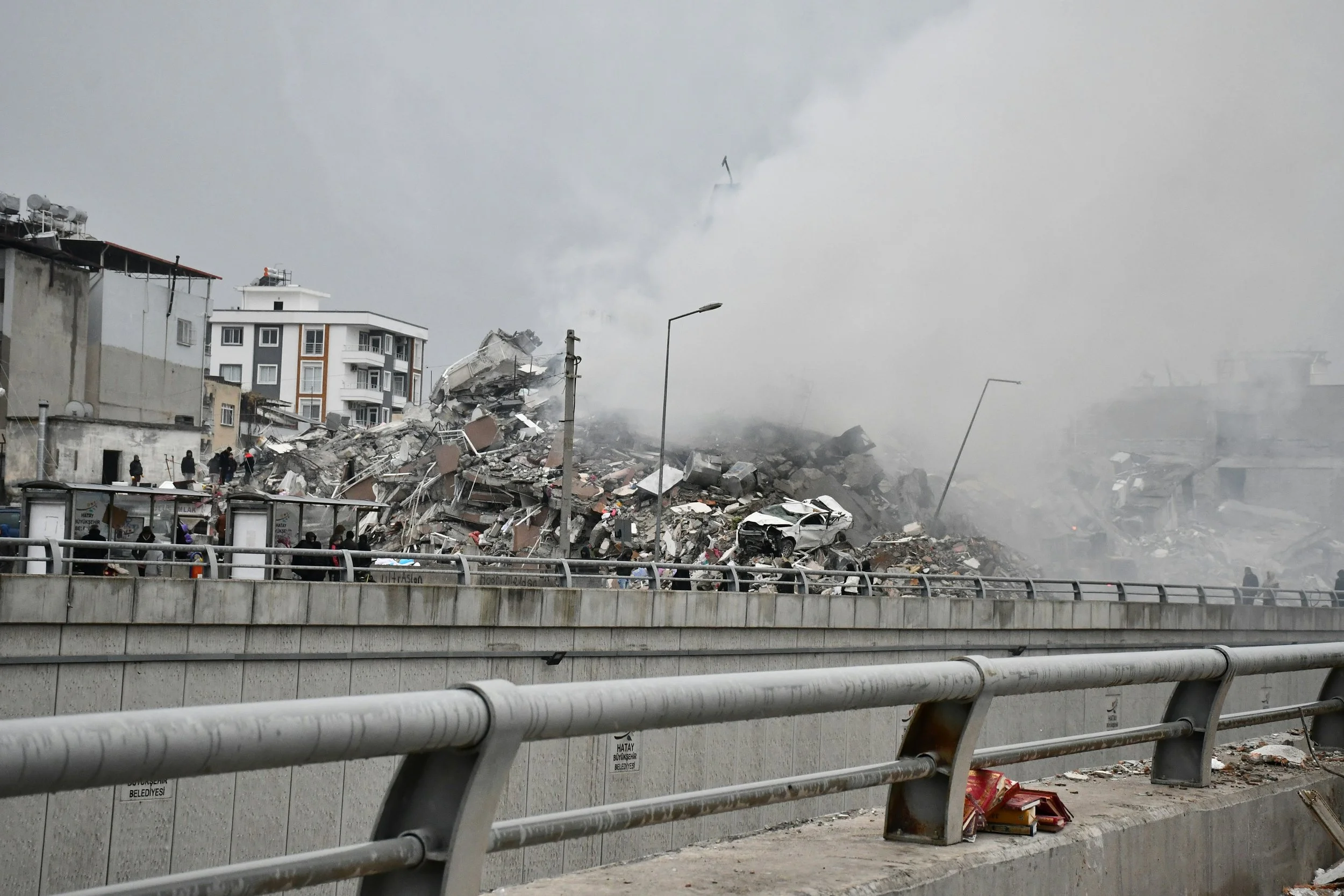
Outlining top lessons and recommendations to strengthen communication, community engagement and accountability for the response to the devastating earthquake in Türkiye and Syria.

In this background paper for the 2021 CDAC Public Forum, Kaurin argues that, ‘Localisation of technology can support humanitarian localisation in making communities resilient, instead of reliant on international aid and services that are disrupted by global crises such as the COVID-19 pandemic.’

There are a number of global level frameworks and commitments that have components specific to communication and community engagement. While these spell out what action needs to be taken, they are not consistently and coherently taken on board by humanitarian actors. This paper summarises those existing frameworks.

The ‘12 essentials for system change’ came out of a global forum held in May 2017 by CDAC Network and the Steering Committee for Humanitarian Response, on ‘The authenticity challenge to the Participation Revolution’.

This independent review commissioned by CDAC Network confirms that the establishment of collective approaches to communication and community engagement – at national and global levels – is required to be more systematic and effective and has significant support across the humanitarian sector.

Outcomes report from CDAC Network’s joint event with the ICRC and DFID in September 2016. The event brought considerable energy to a complex number of issues around communicating with people living in dire circumstances that must be resolved.
Our evidence
Key to our advocacy is building a strong evidence base to demonstrate that embedding communication and community engagement across humanitarian response makes aid more sustainable, equitable, inclusive and effective.
Our research highlights the importance of community voices as primary sources of data and knowledge. By amplifying the perspectives of people affected by crises, we empower them to influence policy and practice at both local and global levels.